Great Pacific Garbage Patch: what is it and what can be done
As summer arrives and more people head to the beach, it is essential to raise awareness about ocean pollution and explore the actions we can take to help reduce it.
By Agnese Rossi
What is it?
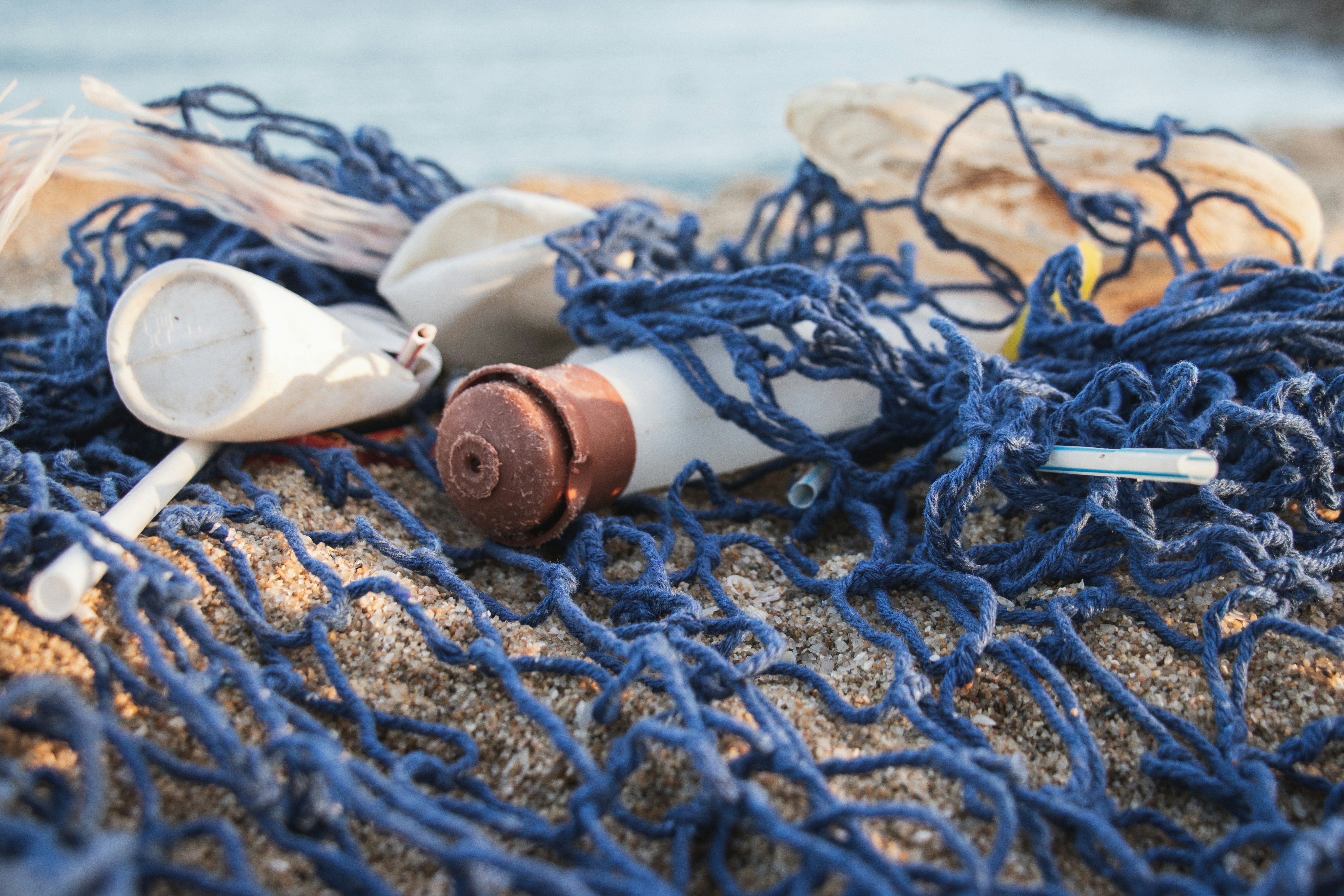
The North Pacific Subtropical Gyre, being Earth’s largest ecosystem and oceanic gyre, tends to trap floating man-made debris, thus forming what is known as the Great Pacific Garbage Patch. The area in the center of a gyre tends to be very calm and stable and its circular motion draws debris into it, trapping it. And that’s what makes this area the space where debris from all over the world gathers, accumulating, because much of it is not biodegradable. These patches aren’t only made of large items, but they are mainly characterized by microplastics that often make the water look muddy. That’s also how the phenomenon of ‘ghost fishing’ happens, destroying and damaging marine life in more ways than one. In fact, not only animals feed themselves and their cubs with plastic debris mistaken for other sea creatures, but microplastics also block sunlight from reaching plankton and algae below, thus interfering with the production of nutrients at the base of the marine food chain.
What is being done?
In 2017 the United Nations Environment Programme launched a campaign to reduce marine litter and its negative impact on the environment, the Clean Seas Campaign. With 69 countries joining the campaign, 76% of the world’s coastline is being represented, promoting citizen science and behavior change in order to minimize the plastic footprint of each community.
The SeaCleaners Swiss is a non-profit organization that protects oceans against plastic pollution through waste collection expeditions, an Environmental Council of scientific and technical experts and awareness-raising campaigns. The Mobula boats are able to collect tonnes of debris - both floating and liquid pollutants - adapting to the toughest environments and reaching the trickiest corners of the shores. All this to free the waters of plastic debris and properly reuse and recycle it, processing it and ensuring responsible waste management.
The Ocean Cleanup, another non-profit organization dedicated to developing solutions to rid the oceans of plastics, conducted four main research expeditions in order to collect marine debris and repurpose it into meaningful products. This, of course, in the most responsible way possible, prioritizing the protection of the marine environment. In order to do so, they use a cleaning solution called System 03 that has a series of features bound to minimize the risks for marine life, other than trained observers that monitor any interactions with protected species. The organization states that ‘to rid the world’s oceans of plastic, we must prevent its accumulation’. But how do we do that?
What can we do?
The first thing that comes to mind when thinking about what can be done in order to protect the seas from plastic pollution is, of course, reducing the use of plastics. From switching to reusable bags, straws and water bottles to banning single use plastics - these are all things that are becoming increasingly common.
To actively contribute to keeping the water clean and free from plastics pollution, it is also important to care for the surrounding environment, whether you are a local who grew up by the sea or a tourist visiting to enjoy the beach. Stay informed about initiatives aimed at removing litter from the environment, and consider taking part in efforts to preserve the area’s natural beauty for future generations.
Choosing ocean-friendly products is also a must, since we have to remember that most of the things that we put on before diving into the sea impact the environment. Go for eco-friendly sunscreens, avoiding those with oxybenzone, which bleaches coral reefs.
These are just some of the many ways in which we can all take responsibility and act towards a cleaner and healthier marine environment. With collective effort we can change the planet we live in for the better. So if when taking a stroll along the beach or while swimming in the sea you see garbage around you, don’t hesitate to make a difference and “leave it better than you found it”!
Agnese Rossi
Journalistic Content Intern
Agnese Rossi supports public engagement at Ozeaon, helping strengthen the company's audience-facing communication, community outreach, and public visibility.
Her role contributes to how Ozeaon engages external audiences through accessible storytelling and mission-aligned content.
- Journalism
- Communications
- Public Engagement