Planet Aqua, Planet Peace: Thomas Crowther at Ocean Space
Perhaps the question is not whether restoration is possible. The question is how quickly we can create the conditions for more life, more resilience, and more regeneration.
By Agnese Rossi
Are you worried about the future of our planet? Do you think we’re beyond hope and that nothing more can be done to restore the environment we’ve damaged so badly? I understand that feeling, but let me show you a different perspective. To do that, I’m going to draw on a conference I attended at Ocean Space in Venice on June 6, 2026, where Thomas Crowther gave a talk about restoring our planet. Crowther is an ecologist studying the connections between biodiversity and climate change. He is a professor in the Department of Environmental Systems Science at ETH Zurich, chair of the advisory council for the United Nations Decade on Ecosystem Restoration, and founder of Restor, an online platform for the global restoration movement.
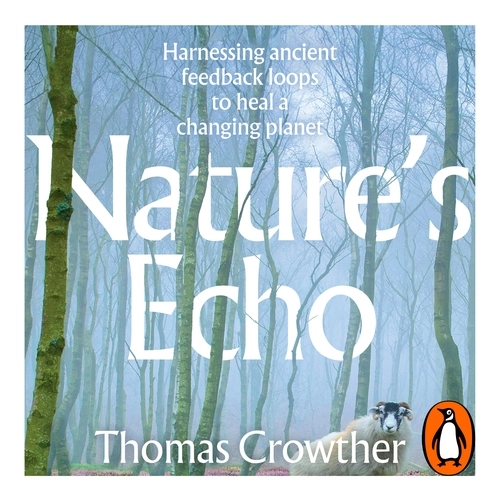
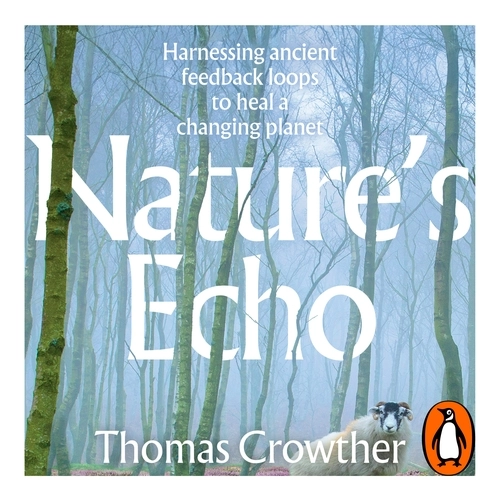
“As a leading ecologist, Professor Thomas Crowther studies not just how species work in isolation, but how complex ecosystems regulate themselves. When nature’s cycles are allowed to build momentum, each species can create the conditions to allow others to thrive. From the birth of galaxies to the creation of life, the greatest transformations in our universe have been driven by quiet, self-reinforcing processes known as feedback loops.” - Penguin Random House on Nature’s Echo, by Thomas Crowther.
The first concept that Crowther introduced was the feedback loop. And if you don’t know what that is, don’t worry - let’s break it down. A feedback loop happens when one event triggers another, which in turn reinforces the original event, creating a cycle that keeps repeating itself. These are the same mechanisms that, over billions of years, have shaped the structure and evolution of our universe, creating the most spectacular system we’ve ever known. “Life propagated on an otherwise uninhabitable planet, creating more opportunity for more life, which transformed the environment, making it more suitable for more life. And the more this cycle continued, the more suitable the environment became, creating the unbelievable Eden that we live in today,” explained Crowther.
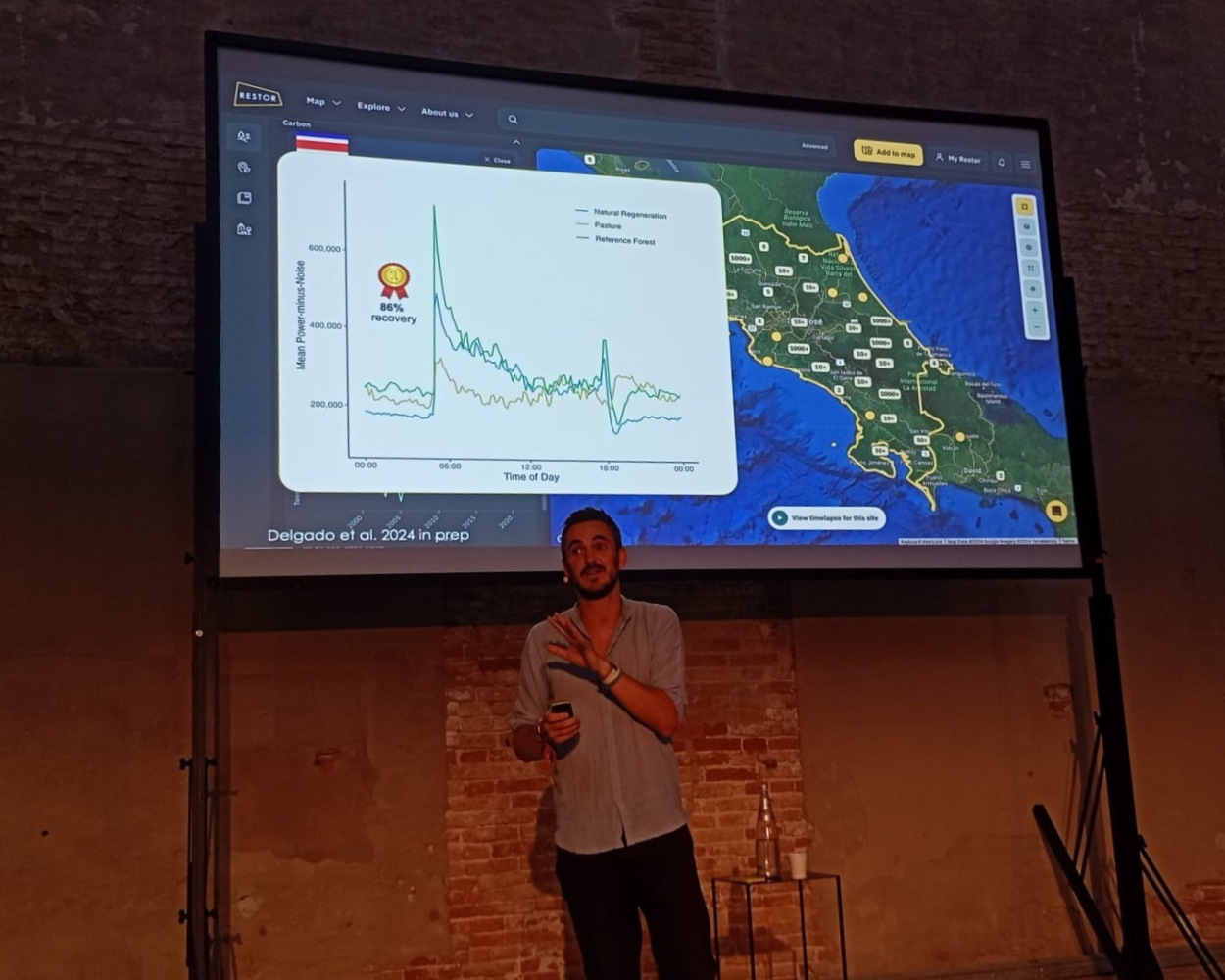
Over the last few decades, though, we humans have altered these natural cycles with our own feedback loops as we expand and exploit more and more. In fact, according to Crowther, one of the main drivers of environmental degradation is the unequal distribution of wealth across the globe. Billions of people are trapped in economic systems that offer few non-extractive alternatives, forcing them to rely on the natural capital around them. This often results in practices such as slash-and-burn farming, where forest land is burned to create space for cultivations and animal agriculture, monocultures, excessive fertilizer use, and other forms of environmental exploitation that only lead to the depletion of those natural resources and, in turn, deepen poverty. “This is a feedback loop that has spiraled and spiraled over the last century, transforming our entire planet. It’s the biggest driver of degradation, and it’s one that gives rise to despair because if one leads to the other, you can start to lose hope that there’s a potential to turn this around.”
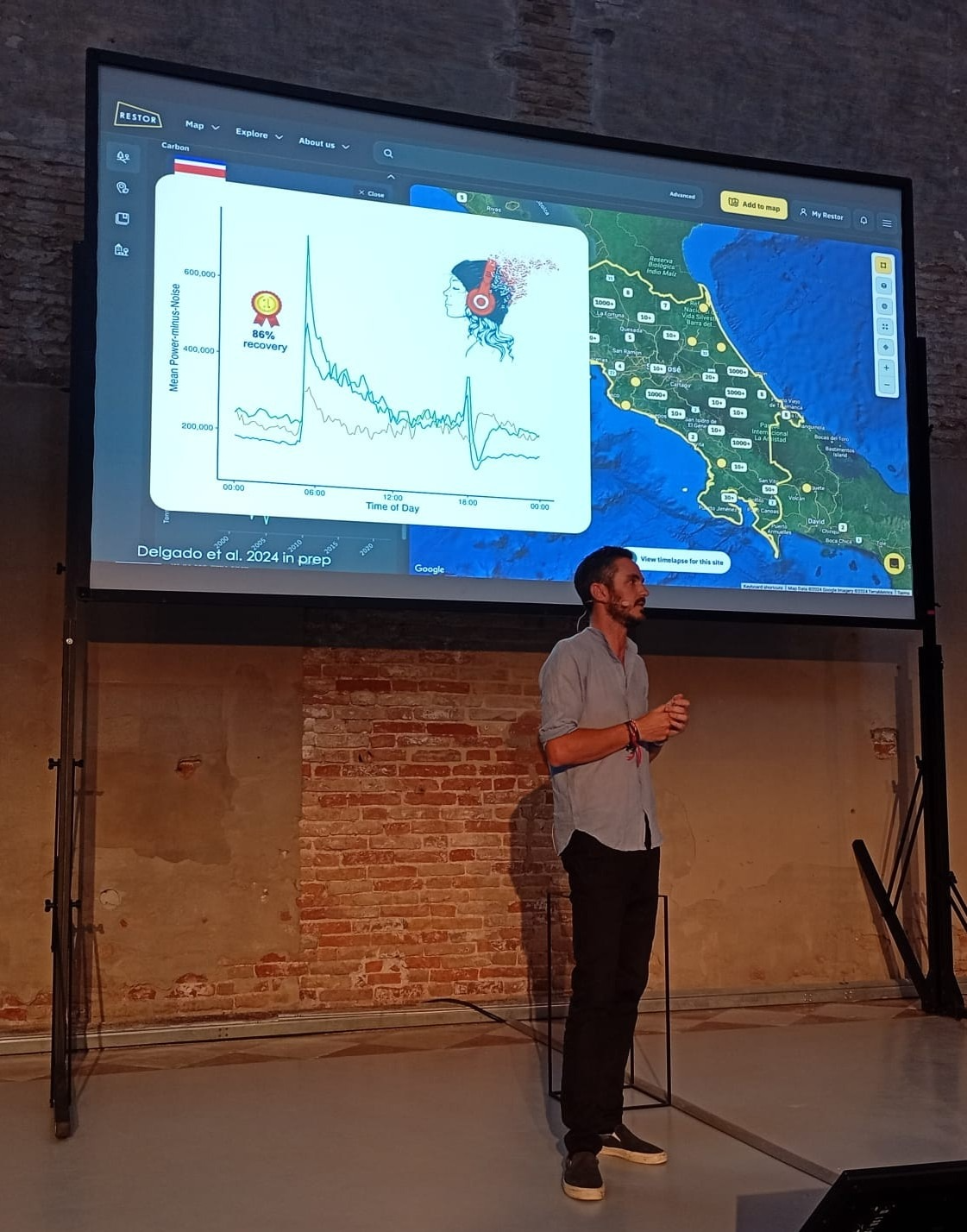
What we need, then, is to reconnect with those natural feedback loops in order to revitalize the incredible landscape that surrounds us - turning vicious cycles into virtuous ones. That’s why he founded Restor, an online digital platform under Google Maps where, instead of shops and streets, you can see farms and rural populations that are protecting nature across the world. This is the starting point for a truly visible, transparent, bottom-up environmental movement led by the people - the basis of a feedback loop. Once we start to engage in buying their products, visiting their sites, going on eco-tourism holidays, or buying their coffee, we can then start to shape the world with every single product we choose.
Restoration, though, is not that easy: it requires social, ecological, economic knowledge, and it's really, really complicated. But if we can allow a minimum percentage of our global economy to fertilize this bottom-up movement so that they can find ways to restore the landscape, then we all have the possibility to create a feedback that will transform the entire planet.
Agnese Rossi
Journalistic Content Intern
Agnese Rossi supports public engagement at Ozeaon, helping strengthen the company's audience-facing communication, community outreach, and public visibility.
Her role contributes to how Ozeaon engages external audiences through accessible storytelling and mission-aligned content.
- Journalism
- Communications
- Public Engagement