
Beyond ESG Reporting: Turning Ocean Data into Better Decisions
Ocean sustainability requires more than data collection. Greater ESG and ocean literacy help organisations transform credible environmental information into informed decisions, attracting investment, strengthening resilience and enabling practical, regenerative action.
By Reneta Georgieva
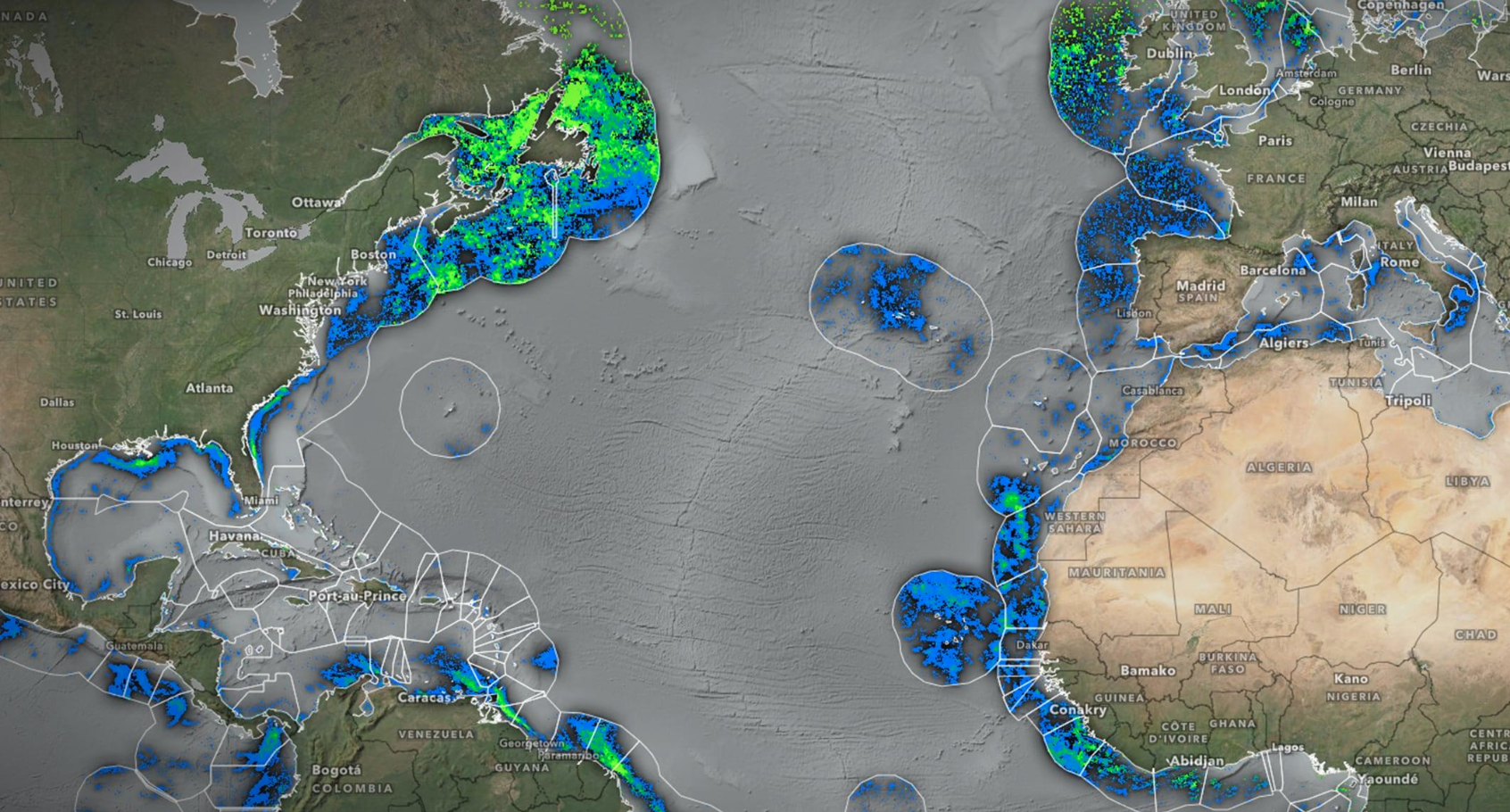
The environmental sector has never had access to more data.
Satellites monitor coastlines in near real time. Sensor networks measure ocean temperatures, water quality and carbon fluxes. Advances in marine science continue to improve our understanding of biodiversity, ecosystem health and the role of coastal habitats in climate resilience. At the same time, organisations are investing in ESG reporting to meet evolving regulatory requirements and stakeholder expectations.
Yet despite this growing volume of information, the condition of the world's oceans continues to deteriorate.
The issue is not a lack of data, it is the challenge of translating information into informed decision-making.
Across the sustainability landscape, considerable effort has been directed towards expanding environmental disclosure. Reporting frameworks have become more comprehensive and metrics more granular. These developments are important and have strengthened transparency and accountability.
However, data alone rarely drives change.
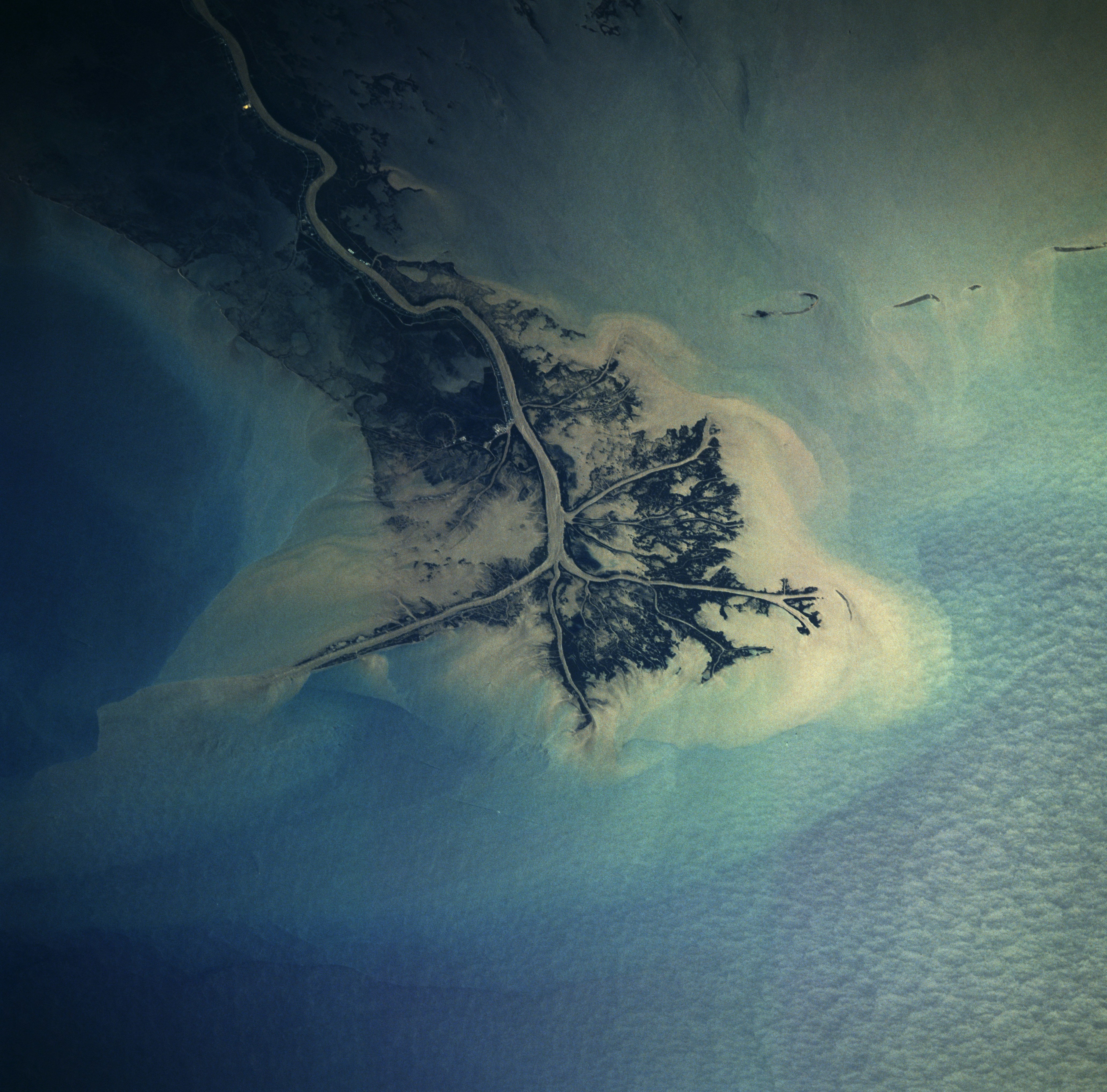
For example, seagrass meadows store significant amounts of carbon, hence recognising that their restoration also enhances fisheries, strengthens coastal resilience, supports biodiversity and contributes to local economies provides the broader context that enables governments, investors and businesses to allocate capital.
This is where ocean literacy becomes as important as ocean science.
The next phase of ESG will depend not only on generating higher-quality environmental data, but on making that information understandable and accessible to those responsible for strategic decisions. Whether the audience is an investor evaluating natural capital opportunities, a policymaker designing strategies or a business integrating sustainability into operations, information must be presented in a way that supports practical action.
Without stronger ESG and ocean literacy, organisations risk producing reports that satisfy disclosure requirements without influencing strategy or investment. High-integrity regenerative projects may struggle to attract capital, while employees, communities and other stakeholders remain disconnected from sustainability initiatives that directly affect their future.
Ozeaon is developing open digital ecosystems that integrate climate intelligence, digital Measurement, Reporting and Verification (dMRV), open science and accessible education. Their objective is not simply to improve reporting, but to strengthen confidence in environmental outcomes by making data transparent, verifiable and easier to interpret.
As ESG continues to mature, competitive advantage is likely to depend less on the quantity of information organisations produce and more on their ability to convert credible environmental data into informed decisions.
The future of ocean sustainability will be shaped not by who measures the most, but by who can most effectively transform scientific evidence into practical, scalable and regenerative action.

Reneta Georgieva
dMRV Specialist
- OCIS
- dMRV
- AI
- Climate Intelligence
- AI CoE