Beneath the Energy Transition: Martina Gaglioti on Offshore Renewables and Marine Ecosystem Integrity
Martina Gaglioti explores how offshore renewable energy can accelerate decarbonization while protecting marine biodiversity, highlighting ecological modelling, science-based planning, and collaboration for a sustainable ocean future.
By Alfinna Yebelanti
The transition towards renewable energy is often presented as an essential step towards a more sustainable future. Yet beneath the surface of offshore wind farms, wave energy installations, and tidal energy infrastructure lies a more complex question: how can we accelerate the energy transition without compromising the marine ecosystems that sustain biodiversity, coastal communities, and ecological resilience?
For Martina Gaglioti, addressing this question requires more than technological innovation. It requires an integrated understanding of marine ecosystems, long-term ecological processes, and the potential consequences of human interventions at sea.
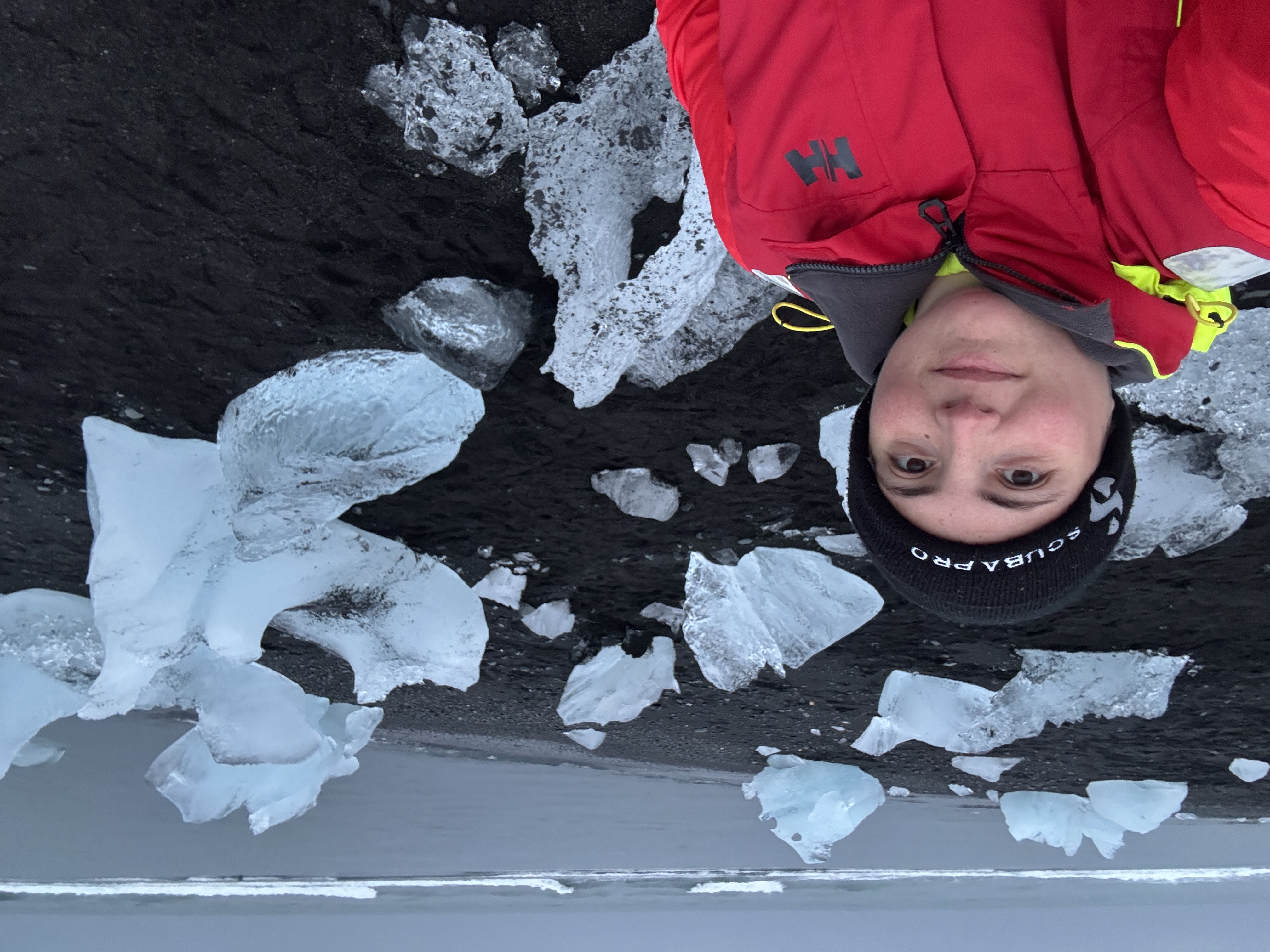
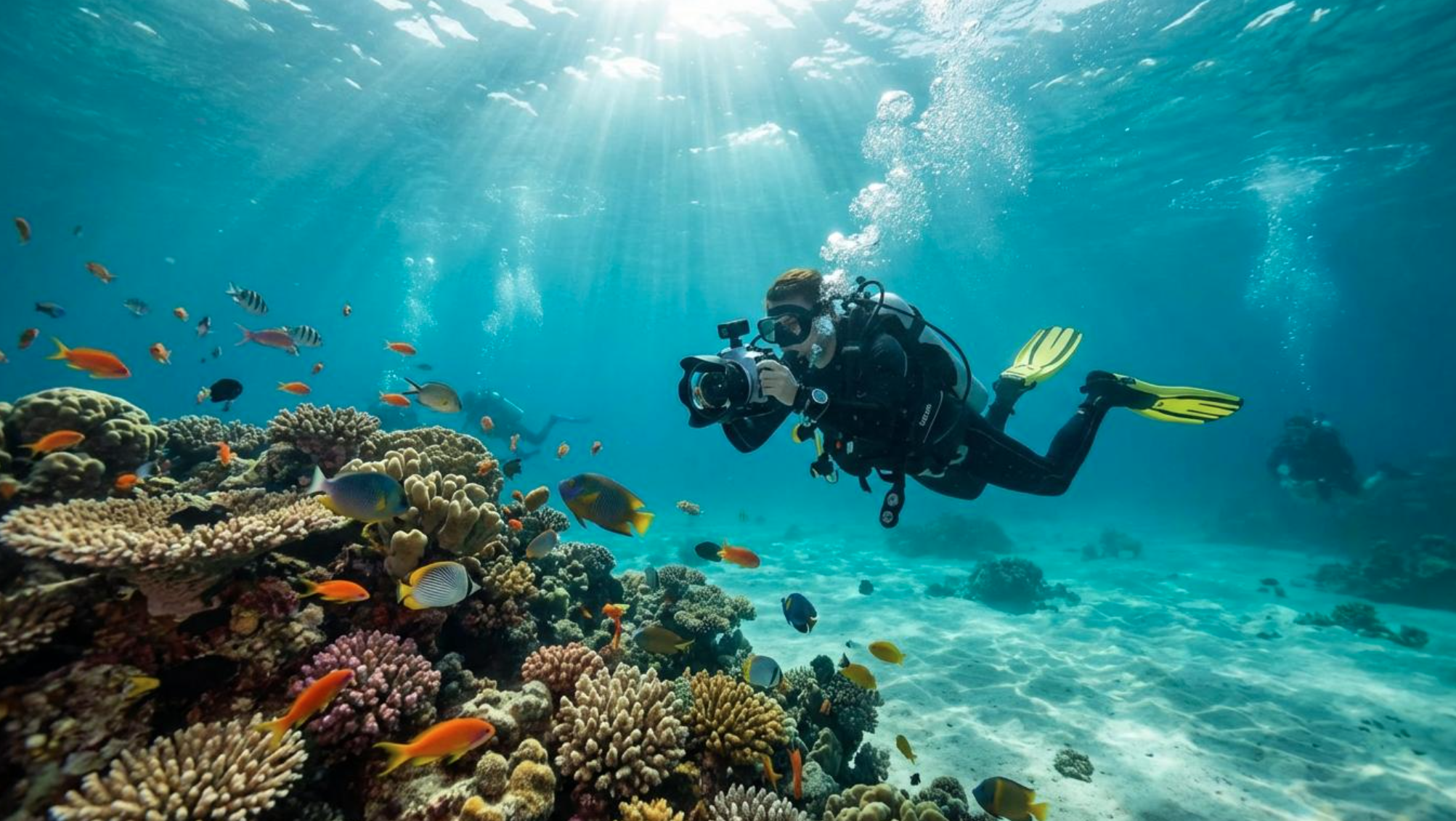
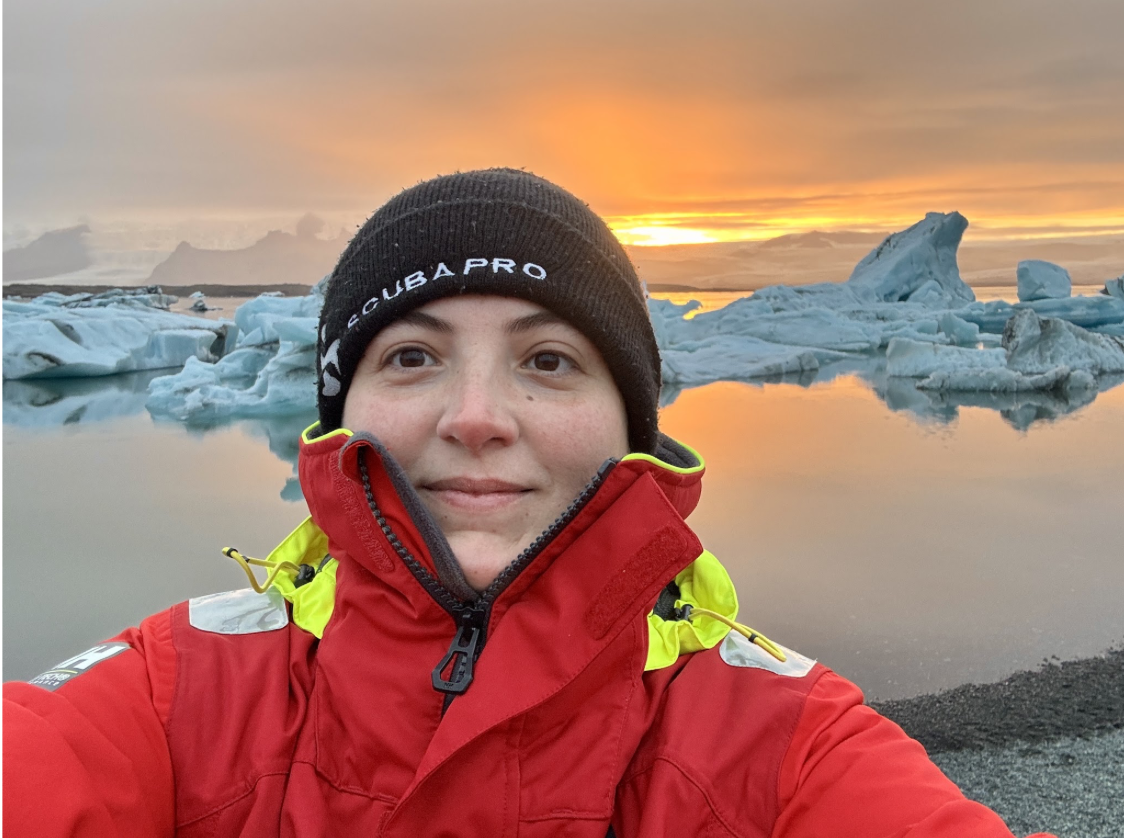
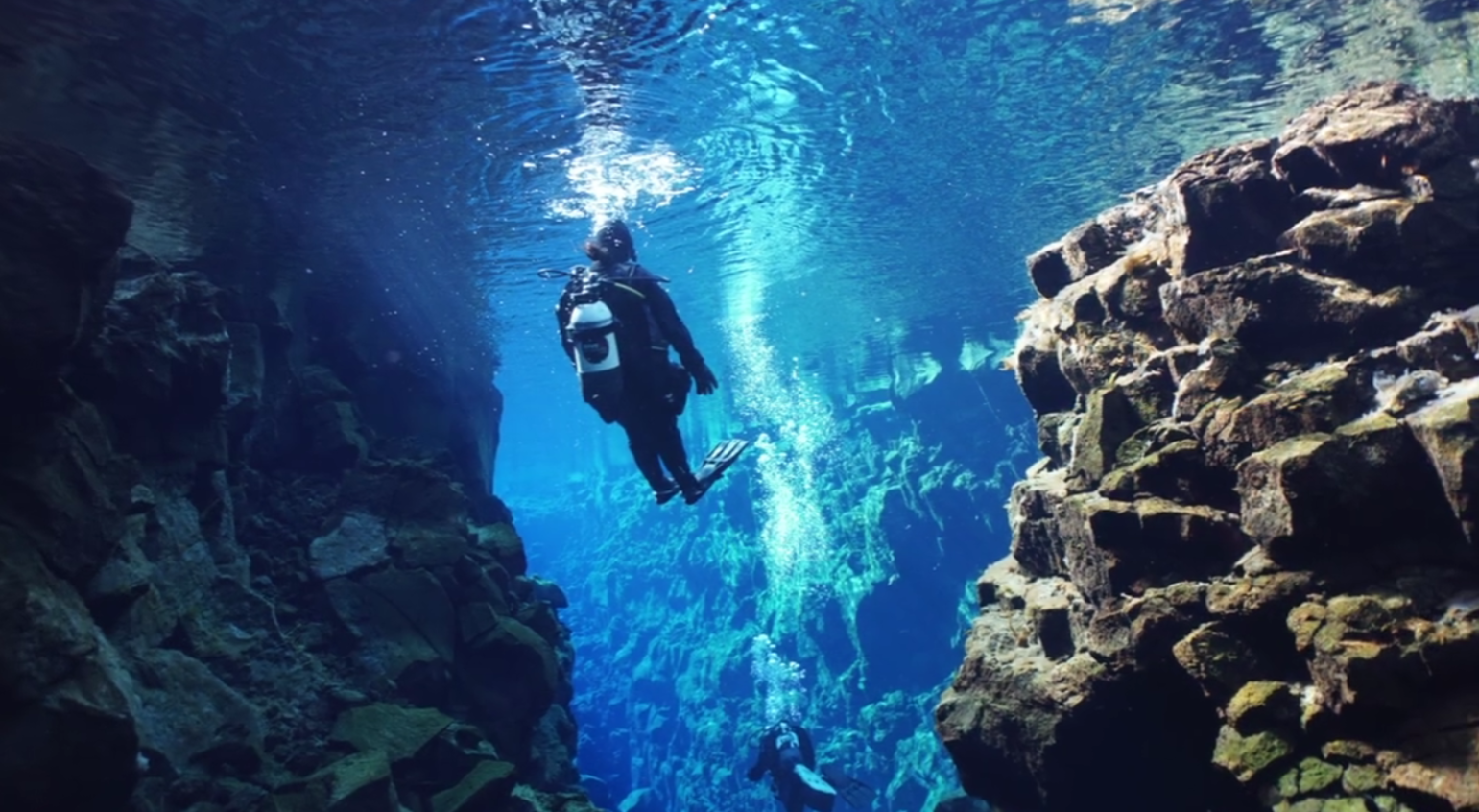
Her interest in the marine environment began long before her professional career. Martina started diving at the age of nine, an experience that allowed her to encounter marine landscapes directly and helped shape her subsequent academic and professional choices. Growing up in an area home to a Biosphere Reserve, one of the earliest designated in the 1970s, further influenced her understanding of the relationship between people and nature.
That early connection continues to inform her work today, particularly her involvement in marine science, ecosystem management, and the environmental implications of offshore renewable energy.
Through the International Council for the Exploration of the Sea (ICES), Martina has contributed to discussions on the ecological impacts of offshore renewable energy through the Workshop on Integrated Ecological Modelling Frameworks for Offshore Renewable Energy Impact Understanding (WKIMORE). Her longer-term commitment includes serving as a Chair-invited Member of the ICES Working Group on Marine Benthic Renewable Energy Developments (WGMBRED).
Her work reflects a central challenge of the energy transition: clean energy infrastructure must be developed with a clear understanding of the ecosystems in which it operates.
Beyond the Promise of Renewable Energy
The expansion of offshore renewable energy is driven by the urgent need to transform energy systems. However, the development of offshore wind, wave, and tidal energy infrastructure can introduce new pressures into marine environments that are already affected by multiple human activities.
Martina was drawn to this field because of the increasing pressure to develop renewable energy infrastructure and the need to ensure that this development is guided by science.
For her, the question is not simply whether renewable energy should be developed, but how it should be planned, where it should be located, and what its ecological consequences may be over time.
Offshore energy projects can affect fragile or overexploited marine ecosystems, as well as the social and ecological systems of the communities connected to them. Their impacts may extend beyond the immediate construction site, influencing habitat conditions, species interactions, fisheries, and broader patterns of marine connectivity.
Martina also raises concerns about cases in which speculative interests may emphasise the benefits of offshore renewable energy while giving insufficient attention to potential disadvantages and long-term environmental effects. Such dynamics can make it difficult for local communities to evaluate proposed developments with a comprehensive understanding of the trade-offs involved.
This is why she emphasises the importance of science-informed decision-making and careful maritime spatial planning.
The objective is not to frame renewable energy and marine conservation as opposing priorities. Rather, it is to understand their relationship well enough to ensure that decarbonisation efforts do not undermine the ecological integrity they should ultimately support.
Understanding the Ocean as an Interconnected System
One of the central approaches explored through WKIMORE is integrated ecological modelling.
Rather than examining individual environmental pressures in isolation, integrated ecological modelling provides a framework for understanding how offshore renewable energy installations interact with complex marine environments across different spatial and temporal scales.
As Martina explains, this approach can help scientists examine cumulative impacts by combining multiple pressures, including underwater noise, electromagnetic fields, and habitat changes, to better understand how marine ecosystems respond to them collectively.
It can also help bridge physical and biological processes. Changes in hydrodynamics, water currents, or turbulence may influence different biological components of the marine environment, from plankton to top predators. Understanding these connections is essential when assessing the wider consequences of infrastructure development.
The findings can inform marine spatial planning and help decision-makers evaluate potential trade-offs involving marine protected areas, commercial fisheries, and decarbonisation objectives.
For Martina, the challenge is particularly important because marine ecosystems do not respond to human interventions according to administrative boundaries or individual project timelines. Ecological processes are interconnected, and the effects of infrastructure may emerge across different locations and over periods extending beyond the initial construction phase.
A more integrated approach can therefore help decision-makers move beyond project-by-project assessments towards a broader understanding of cumulative ecological consequences.
The Artificial Reef Effect: Opportunity or Ecological Trade-Off?
One of the less widely understood aspects of offshore renewable energy is the potential for infrastructure to change marine habitats in ways that are not always straightforwardly positive or negative.
Martina highlights the artificial reef effect, through which the hard substrates of offshore energy structures may attract marine organisms and alter local biodiversity and fish biomass.
Turbine foundations can provide surfaces for marine organisms to colonise, potentially attracting crabs, smaller fish, and larger predators. In some offshore installations, restrictions on commercial bottom-trawling and certain shipping activities for safety reasons may also reduce particular forms of human pressure.
Under specific circumstances, these effects may create local refuges or conditions resembling unconventional marine protected areas.
However, the ecological implications cannot be assessed solely by observing an increase in organisms around a structure.
The presence of new habitat does not automatically mean that the overall environmental outcome is beneficial. The location of an installation, the ecological characteristics of the surrounding area, the species involved, and the duration of the intervention all influence its consequences.
A key question is whether the development would damage a pristine habitat or an important ecological corridor in exchange for an energy yield lasting a limited number of decades.
Martina says that these decisions require a clear understanding of the objectives and ecological trade-offs involved.
Nature-inclusive design and carefully planned co-location strategies may offer opportunities to improve outcomes. For example, combining offshore renewable energy with sustainable aquaculture or marine conservation measures could create potential synergies. Yet these possibilities also raise questions about ecological interactions, economic interests, and the suitability of different locations.
The relationship between offshore energy and marine ecosystems must therefore be assessed through evidence rather than assumptions about the inherent environmental benefits of renewable infrastructure.
Food Webs, Marine Connectivity, and Cumulative Impacts
The ecological questions surrounding offshore renewable energy extend beyond individual structures and local biodiversity changes.
Martina highlights the need to understand how offshore installations may influence food-web dynamics and marine connectivity over larger spatial scales.
Infrastructure can potentially act as a stepping stone for the dispersal of marine organisms, including native species and invasive or non-native colonisers. Whether these effects assist or hinder the distribution of particular species depends on the ecological context and the characteristics of the organisms involved.
Understanding these processes requires scientists to investigate how infrastructure interacts with existing patterns of movement, habitat use, and ecological connectivity.
Such questions are particularly important when considering offshore developments near sensitive habitats, conservation areas, or ecological corridors.
For Martina, these are not questions that can be resolved through a single assessment. They require sustained investigation and collaboration across different scientific disciplines.
The work undertaken through WGMBRED has included situation analysis and efforts to establish terminology for emerging scientific questions. Areas of investigation include trait-based cumulative impact assessments, pressures associated with different components of floating turbines—including floating platforms, cables, moorings, and submerged structures—and the responses of different species groups.
Developing a shared scientific vocabulary is an important step towards making these complex interactions more consistently understood and assessed.
When Data Are Limited, the Precautionary Principle Matters
Despite advances in ecological modelling, major knowledge gaps remain.
Martina identifies the limited availability of long-term ecological data as one of the principal challenges in evaluating offshore renewable energy. Baseline data for the open ocean can be expensive and difficult to collect, while continuous observations of pelagic and benthic species before the construction of offshore infrastructure are often lacking.
These gaps make it difficult to establish precisely how ecosystems change after development and to distinguish the effects of infrastructure from other environmental pressures.
There are also methodological challenges. Oceanographic models often operate across large spatial scales, whereas biological and ecological models may focus on smaller-scale processes. Integrating these approaches requires collaboration between physical oceanographers, marine ecologists, engineers, and other specialists who may use different methods and technical terminology.
The result is a persistent challenge: decision-makers often need to approve major infrastructure projects before all ecological uncertainties can be resolved.
For Martina, this is precisely where the precautionary principle becomes essential.
The absence of complete scientific knowledge should not be interpreted as evidence that a development is environmentally sustainable. At the same time, uncertainty should not prevent all progress. Instead, it should encourage responsible planning, appropriate monitoring, and adaptive management as new evidence becomes available.
The pressure to accelerate infrastructure development must be balanced against the need to understand long-term ecological consequences.
Martina also points to a broader mismatch between dynamic marine environments and regulatory frameworks that can be relatively rigid. Climate change and changing patterns of offshore development can shift habitats and ecological relationships, while legal frameworks may struggle to accommodate these changes.
One of the most important challenges ahead is therefore translating scientific uncertainty into policies that remain effective as environmental conditions evolve.
From Scientific Understanding to Better Decisions
For Martina, the next steps in this field involve better understanding large-scale ecological effects and how marine connectivity changes across spatial and temporal dimensions.
She is also interested in how scientific findings can be translated into practical policy, particularly when precautionary approaches must be reconciled with pressure to approve multi-billion-euro infrastructure projects quickly.
These decisions require more than technical assessments. They require effective communication between scientists, engineers, policymakers, industry representatives, and affected communities.
The challenge is to ensure that scientific evidence meaningfully informs decisions rather than becoming a procedural requirement that has little influence on the final outcome.
This also means recognising that ecological sustainability cannot be reduced to a single indicator or a short-term assessment. The cumulative effects of development, changes in species distribution, and long-term ecosystem responses must all be considered.
Ultimately, the energy transition should not be evaluated only by how much renewable energy infrastructure is installed. It should also be evaluated by how responsibly that infrastructure is planned, monitored, and managed in relation to the marine environment.
COP17 and the Importance of Connecting Science with Governance
Martina’s work on the ecological impacts of offshore renewable energy also connects with a broader challenge in environmental governance: ensuring that scientific knowledge informs the decisions shaping the future of marine ecosystems.
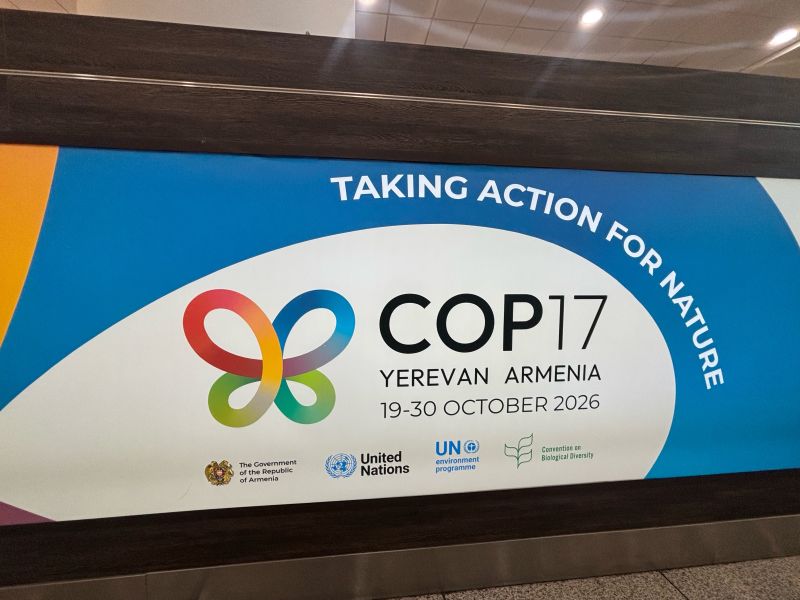
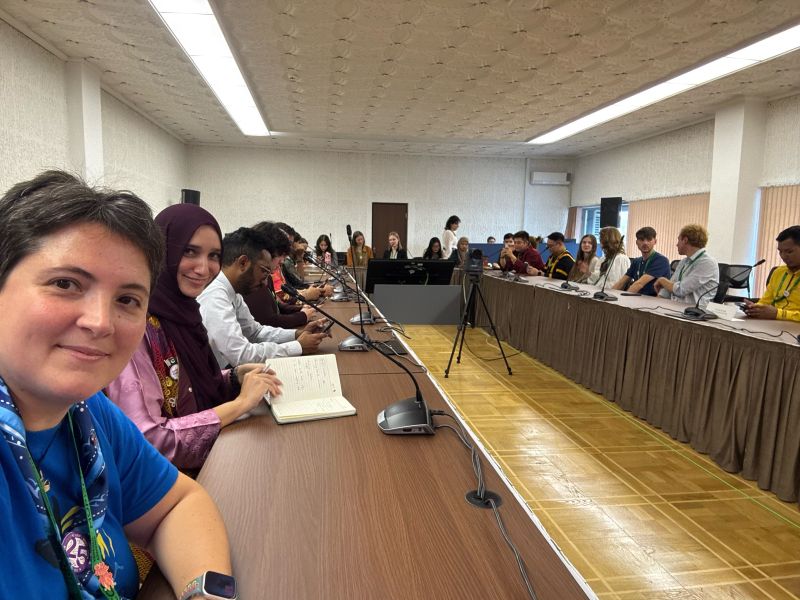
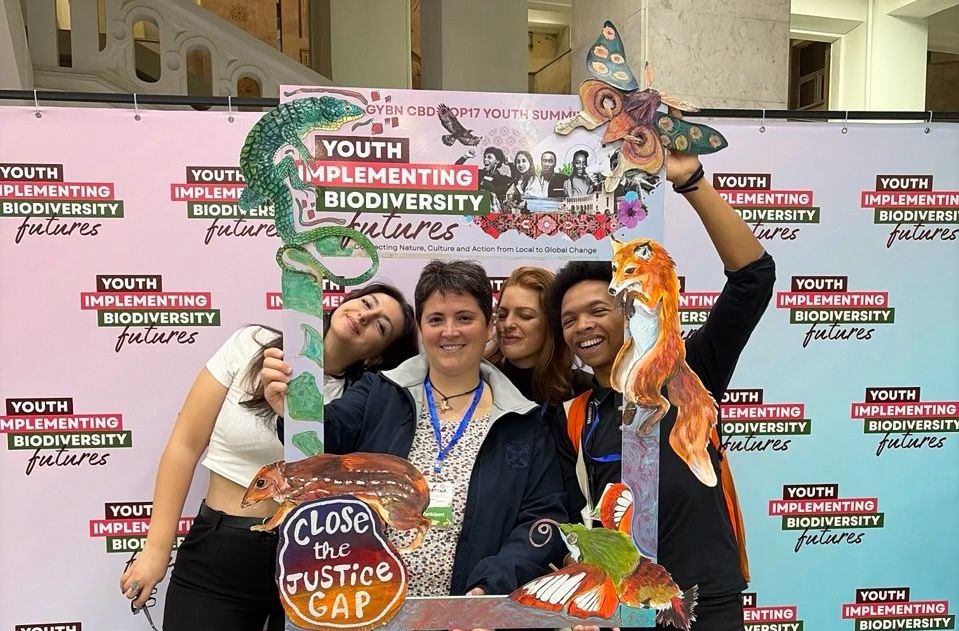
She is currently participating in the seventeenth Conference of the Parties to the Convention on Biological Diversity (CBD COP17), taking place in Yerevan, Armenia, from 19 to 30 October 2026. As Co-Coordinator of the Global Youth Biodiversity Network Europe (GYBN Europe), Martina is contributing to efforts to strengthen youth participation in international biodiversity discussions.
Under the theme “Taking action for nature,” COP17 is reviewing global progress towards implementing the Kunming–Montreal Global Biodiversity Framework (KMGBF), including its 23 targets and the ambition to protect 30% of the world’s land and sea by 2030. As the conference continues, discussions highlight the need to translate global commitments into effective implementation, supported by scientific knowledge, cooperation, and sustained action.
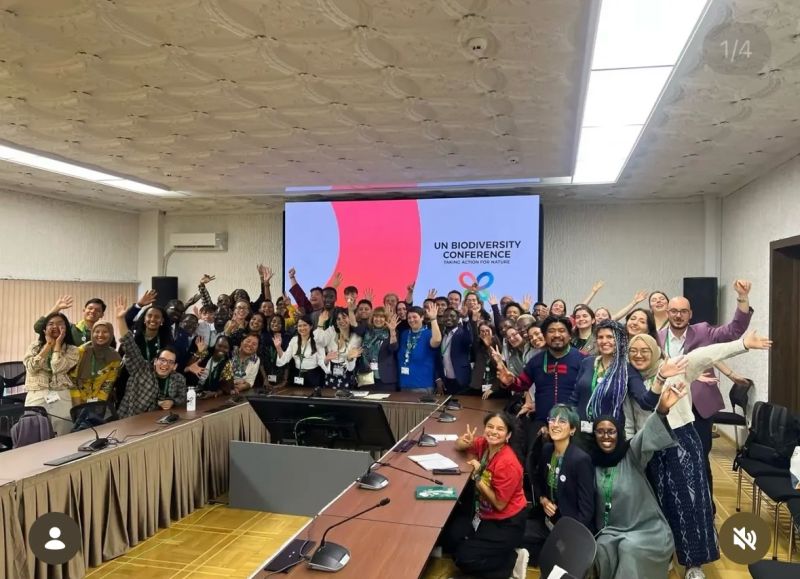
Through youth engagement initiatives, including the Youth Pavilion, young people have opportunities to exchange experiences, showcase their work, and contribute to discussions on biodiversity conservation. The guiding message, “Youth as actors for biodiversity,” reflects Martina’s belief that young people should be recognised not simply as participants, but as active contributors to environmental decision-making.
She also recognises the risk of tokenistic participation, where young professionals are invited into formal processes without their technical expertise and practical experience receiving meaningful consideration. For Martina, effective environmental governance requires participation that extends beyond representation and creates opportunities for people to contribute to policy development and implementation.
These challenges are closely connected to offshore renewable energy development. Scientific assessments can identify potential ecological pressures, cumulative impacts, and uncertainties, but their value ultimately depends on how this evidence informs planning, regulation, and long-term management. The transition towards renewable energy requires decision-makers to consider not only climate objectives, but also marine biodiversity, ecological connectivity, and the long-term resilience of ocean ecosystems.
As COP17 continues, Martina’s involvement reinforces the importance of connecting scientific expertise with policy and meaningful stakeholder participation. The challenge is not simply to establish ambitious environmental commitments, but to ensure that the knowledge and people needed to implement them are part of the process.
For the offshore energy transition, this means ensuring that marine science does more than document environmental change: it must help shape decisions that enable climate action while safeguarding the ecological integrity of the ocean.
Ozeaon: Connecting Knowledge Across Disciplines
Reflecting on Ozeaon's mission, Martina sees potential in a platform that connects ocean and climate projects, researchers, organisations, innovators, communities, and other stakeholders.
Nevertheless, she believes the underlying need remains important.
Researchers and practitioners may be working on closely related topics without knowing about one another's work. Greater visibility and more accessible opportunities for exchange could help them establish respectful relationships, identify common interests, and develop viable collaborations.
For Martina, however, a platform's effectiveness ultimately depends on its community.
Information must be shared ethically and transparently, and participants must be willing to contribute rather than simply consume what others provide. Digital infrastructure can create opportunities for connection, but meaningful collaboration requires trust and a shared commitment to working together.
This perspective is particularly relevant to complex challenges such as offshore renewable energy, where progress depends on the interaction of marine science, engineering, environmental assessment, policy, and community engagement.
By bringing knowledge, projects, and people closer together, Ozeaon seeks to help reduce fragmentation across the ocean and climate ecosystem and create more opportunities for collaboration.
The opportunity is not simply to make information available. It is to help scientific understanding reach the people and organisations capable of turning it into practical action.
Looking Ahead: An Energy Transition That Respects the Ocean
Martina's work highlights an essential principle for the future of offshore renewable energy: the urgency of decarbonisation does not remove the responsibility to understand and protect marine ecosystems.
Integrated ecological modelling, long-term monitoring, precautionary decision-making, and interdisciplinary collaboration can all contribute to more responsible development. Yet their effectiveness depends on whether scientific evidence is meaningfully incorporated into planning and policy.
The ocean is a dynamic system, and the infrastructure built within it can have consequences extending far beyond individual project boundaries.
The challenge is to develop energy systems that respond to climate needs without sacrificing the ecological integrity of the marine environment.
For Ozeaon, Martina's perspective reinforces the importance of connecting scientific knowledge, environmental understanding, and collaborative action. Building a more sustainable future requires not only new technologies, but also stronger relationships between the people studying ecosystems, developing infrastructure, shaping policies, and working with affected communities.
The energy transition must look beyond what we build offshore—and understand what happens beneath the surface.
About Martina Gaglioti
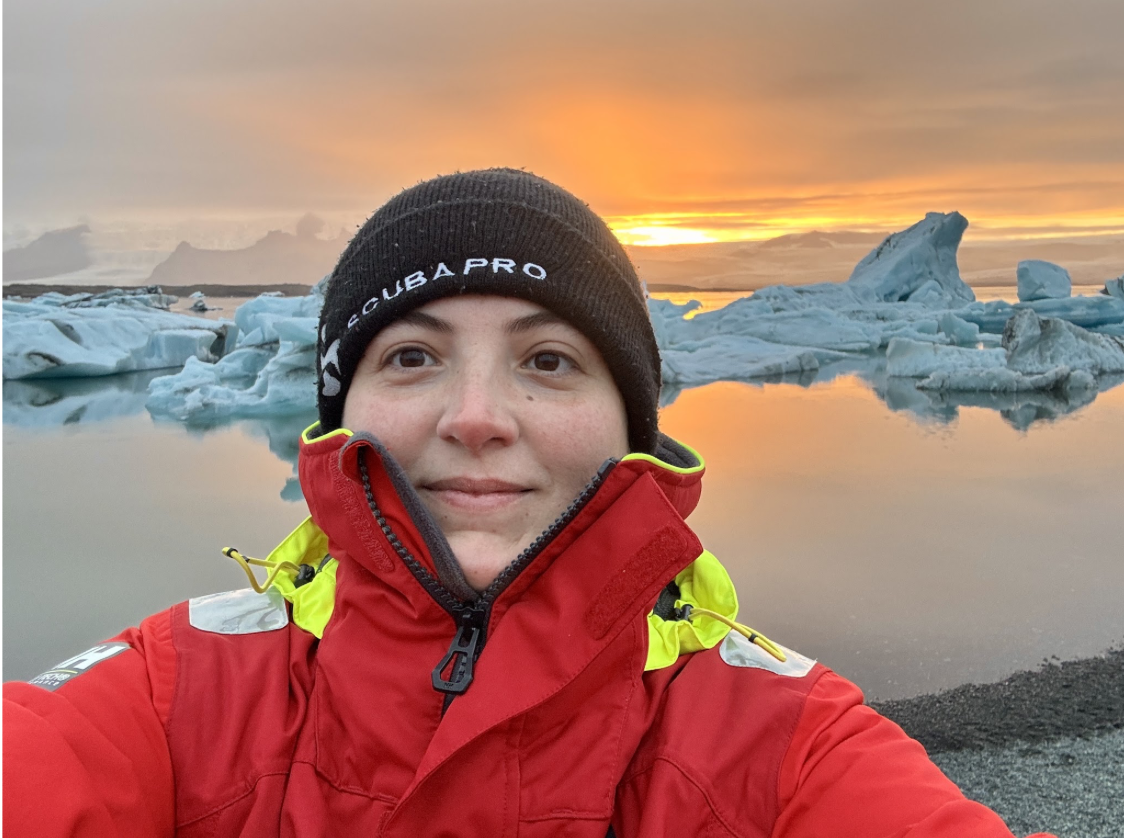
Martina Gaglioti contributes to the IUCN conservation community, including its Commission on Ecosystem Management, and participates in the International Council for the Exploration of the Sea (ICES), contributing to research and discussions on the ecological impacts of offshore renewable energy.
She has contributed to the Workshop on Integrated Ecological Modelling Frameworks for Offshore Renewable Energy Impact Understanding (WKIMORE) and serves as a Chair-invited Member of the ICES Working Group on Marine Benthic Renewable Energy Developments (WGMBRED).
Her work spans marine science, ecosystem management, biodiversity conservation, and environmental governance, reflecting the importance of developing clean energy infrastructure with a clear understanding of the marine ecosystems in which it operates.

Alfinna Yebelanti
Stakeholder Management
Alfinna supports stakeholder engagement and community development at Ozeaon, helping strengthen the platform's relationships across sustainability, ocean governance, environmental policy, and international collaboration.
She brings experience in pentahelix stakeholder engagement and cross-sector collaboration across universities, NGOs, startups, government agencies, and international organisations. Her work contributes to partnership development and collaborative networks around climate, ocean, and regenerative initiatives.
- Stakeholder Engagement
- Community Development
- Partnerships