How Digital MRV Could Transform Environmental Project Verification
dMRV is transforming environmental verification from periodic reporting into continuous, data-driven assurance, combining satellites, sensors, AI and geospatial systems with human expertise to create reliable, traceable evidence.
By Reneta Georgieva
For decades, environmental project verification has followed a largely periodic process. Projects generate data that staff collect and compile into monitoring reports, while independent auditors review documentation, calculations and, where necessary, visit project sites. This process provides an important layer of accountability and helps ensure that environmental claims are supported by evidence. However, it can also be slow, costly and heavily dependent on periodic reporting and site inspections.
The environment does not operate according to reporting schedules. A forest can be cleared between inspections. Methane can escape from infrastructure without warning. Soil carbon can change gradually beneath agricultural fields. A wetland can deteriorate long before the next monitoring report is submitted. When environmental conditions can change continuously, periodic monitoring can leave a gap between what is happening on the ground and when it is detected.
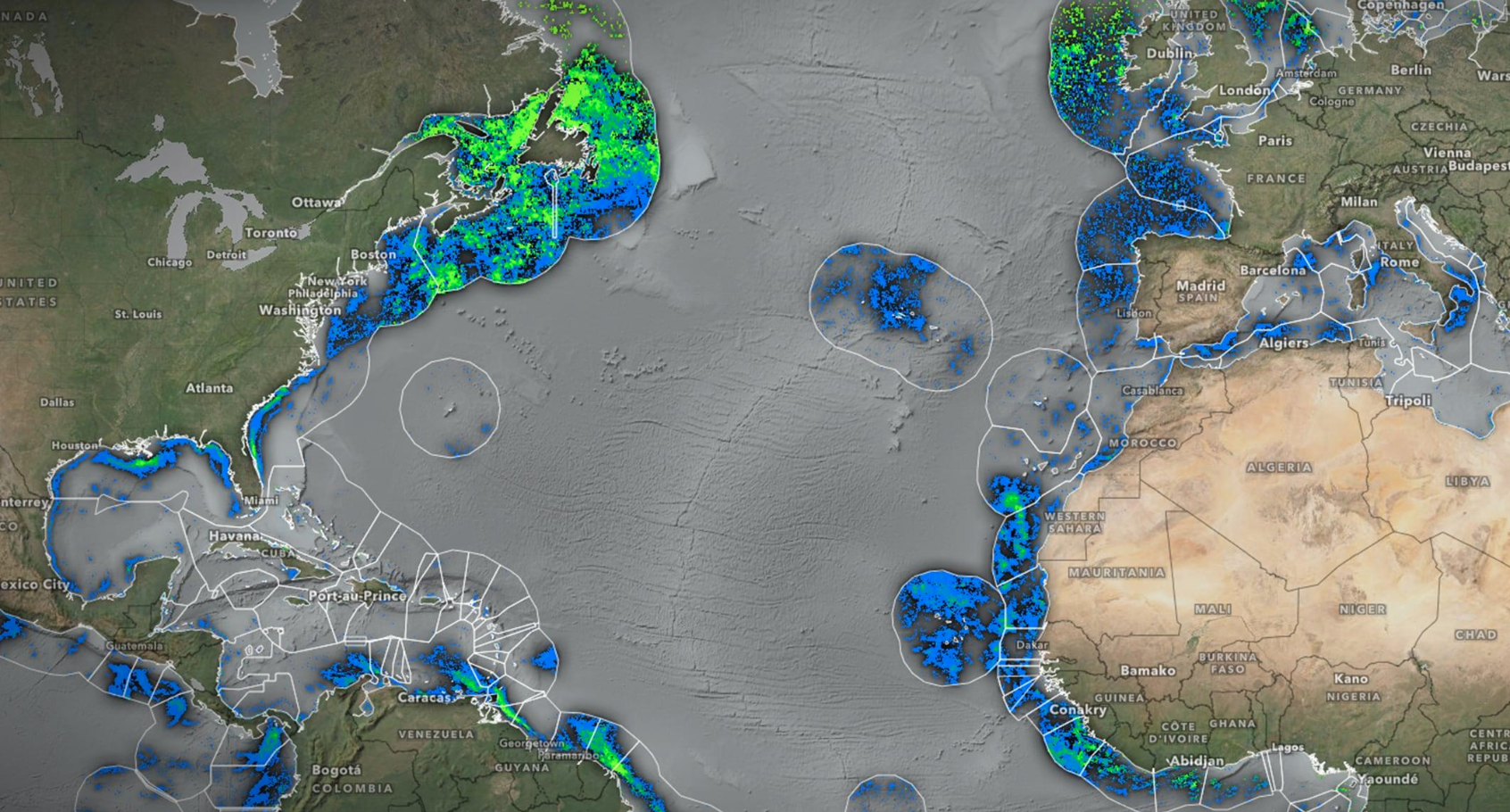
Digital monitoring, reporting and verification, or dMRV, is emerging as a response to this challenge. By combining satellite imagery, remote sensing, drones, connected sensors, artificial intelligence, geospatial systems and automated data infrastructure, dMRV can enable environmental projects to collect and analyse information more frequently and, in some cases, continuously.
The ambition of dMRV therefore goes beyond replacing paperwork with software. It represents a potential evolution in how environmental evidence is generated, monitored, analysed and used to support environmental claims.
From periodic verification to continuous assurance
One of the most important developments enabled by dMRV is the possibility of moving from periodic verification toward more continuous assurance.
Traditional monitoring often provides a snapshot of project performance at defined intervals. Digital systems can begin to create a more dynamic evidence base.
Satellite systems can repeatedly observe large areas, while sensors can collect site-level measurements without requiring frequent manual visits. Drones can provide higher-resolution observations where needed, and machine-learning systems can process large datasets to identify unusual patterns. Automated platforms can then organise observations and support reporting.
For environmental projects, this could mean that evidence is generated continuously rather than assembled only at the end of a reporting period.
This also creates the possibility of a more risk-based approach to verification. Instead of manually reviewing every piece of information, auditors could increasingly focus on unusual observations, high-risk areas and questions raised by automated systems. Human expertise could be directed toward investigating exceptions, assessing uncertainty and determining whether the digital evidence is reliable.
In this sense, dMRV does not necessarily replace verification. It can change how verification is carried out.
The evolution of the digital MRV technology stack
dMRV is not a single technology. It is an evolving combination of technologies that can work together to create a more connected monitoring and verification system.
At the observation level, satellites and drones can provide repeated information about forests, land use, water systems and other environmental conditions. Remote sensing allows projects to be monitored across large geographical areas without requiring physical access to every location.
Geospatial information systems can then connect these observations with project boundaries, locations and environmental models. Artificial intelligence and machine learning can process large volumes of imagery and sensor data, identify patterns and detect anomalies that would be difficult to identify manually.
The final layer is increasingly focused on bringing these different sources together into structured evidence and reporting workflows.
As these technologies mature, the value of dMRV may increasingly come from how effectively they work together. The objective is not simply to produce more data, but to create a system in which environmental observations can be connected, analysed and traced back to the claims they are intended to support.
From data collection to intelligent verification
The evolution of dMRV could also change the role of the verifier.
Early digital systems largely focused on digitising existing processes by moving records online, automating calculations and reducing manual paperwork. The next stage involves using digital systems to continuously analyse information and identify changes that require attention.
This creates the possibility of exception-based verification.
For example, a satellite system could identify an unexpected change in vegetation. A sensor network could detect an unusual operating pattern. An automated analysis could identify a discrepancy between reported activity and observed conditions. Rather than treating every observation in exactly the same way, digital systems could help determine which findings require further investigation.
Human experts would remain responsible for interpreting these findings, reviewing methodologies, assessing uncertainty and making accountable decisions.
This could gradually transform verification from a largely periodic exercise into a more continuous and risk-based process.
The future of environmental verification
The development of dMRV suggests a gradual evolution rather than a replacement of existing verification systems.
Digital technologies can make monitoring more frequent, automate routine processes and help identify areas that require investigation. Artificial intelligence can increasingly support the analysis of large datasets, while remote sensing and connected sensors can provide observations at a scale and frequency that conventional fieldwork alone cannot easily achieve.
At the same time, human expertise remains central.
The longer-term opportunity is therefore to combine continuous digital monitoring with human oversight. Instead of treating verification as a series of isolated reporting events, environmental projects could move toward a more continuous evidence base that develops throughout the project lifecycle.
Ozeaon and the evolution of dMRV
Ozeaon is developing Ozeaon Climate Intelligence System (OCIS) which brings together project information, environmental data, spatial analysis and dMRV-aligned workflows to support the organisation and reporting of environmental evidence.
This reflects a broader transition within environmental monitoring. As projects generate increasing amounts of information from satellites, sensors, field observations and analytical models, there is a growing need to bring those sources together in a structured and traceable way.
The potential value of platforms such as OCIS therefore extends beyond automation. They can help create a more connected evidence base around environmental projects, allowing information to be monitored and organised throughout a project's lifecycle.
This is consistent with the broader evolution of dMRV: moving away from isolated monitoring exercises and toward systems in which environmental information can be continuously collected, analysed and prepared for assessment.
From verification reports to living evidence
The long-term potential of dMRV is not simply faster reporting. It is the possibility of changing the relationship between environmental projects and the evidence used to assess them.
A change in forest cover could potentially be identified sooner. An unusual emissions pattern could trigger investigation earlier. Sensor data could reveal changes before they become visible through periodic inspections. Project developers and verifiers could work with evidence that is continuously updated rather than reconstructed months later.
The future of environmental verification may therefore look less like a series of periodic reporting events and more like a continuous flow of evidence.
The success of dMRV will ultimately depend on whether that evidence is reliable, transparent and traceable. If digital systems can combine frequent environmental observations with strong data governance, rigorous methodologies and human oversight, they could become an important part of the infrastructure through which environmental performance is measured and trusted.
For environmental projects, digital MRV is not simply about digitising verification. It is about creating the foundations for a more continuous, data-driven and scalable approach to understanding what is happening in the environment and whether project claims are supported by evidence.

Reneta Georgieva
dMRV Specialist
- OCIS
- dMRV
- AI
- Climate Intelligence
- AI CoE