How Citizen Science Can Expand Ocean Monitoring
Citizen science expands ocean monitoring by connecting community observations with scientific research, innovative technologies and conservation efforts to improve marine biodiversity assessments, environmental understanding and ocean protection.
By Reneta Georgieva
A broader perspective on ocean monitoring
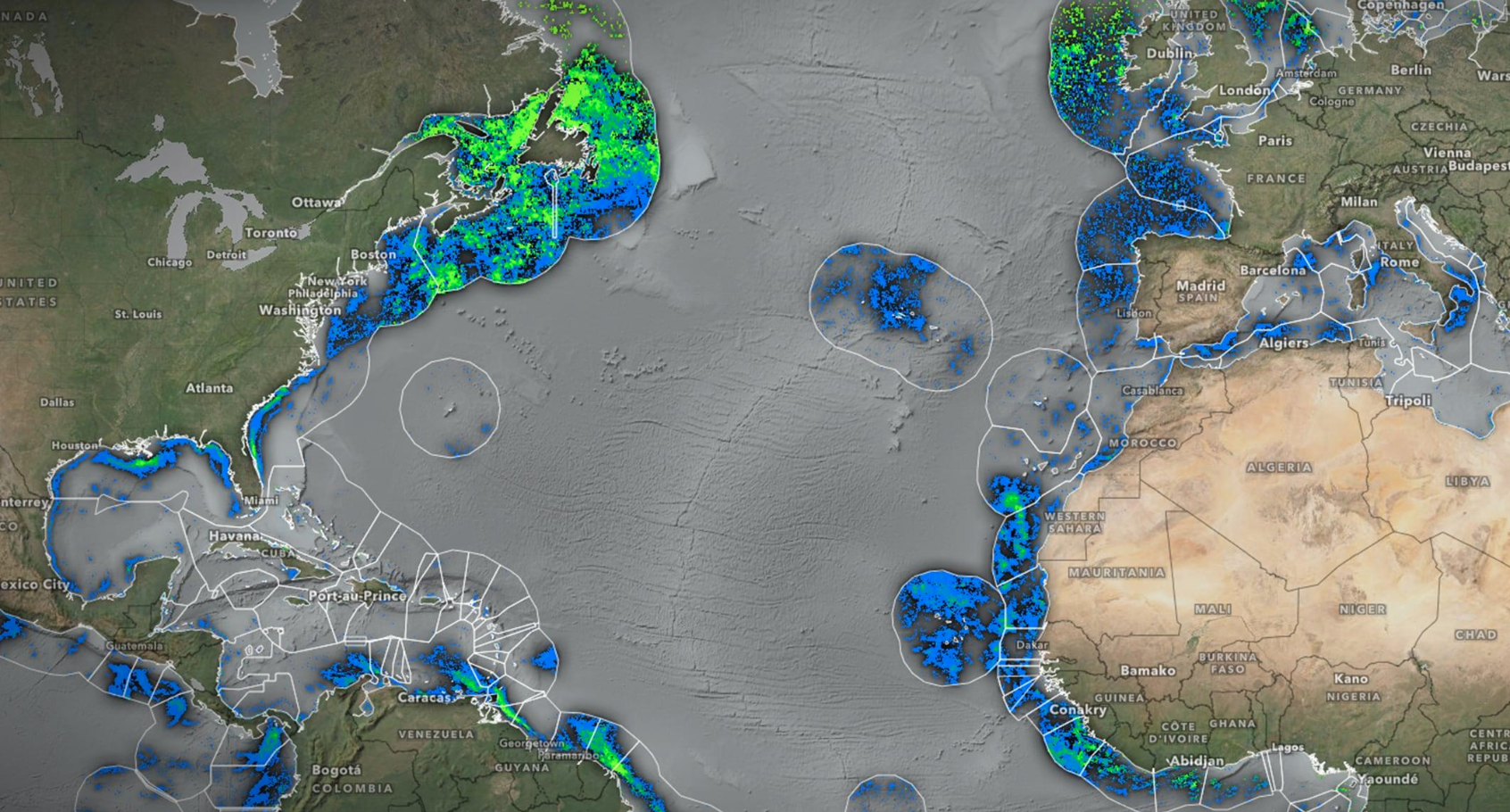
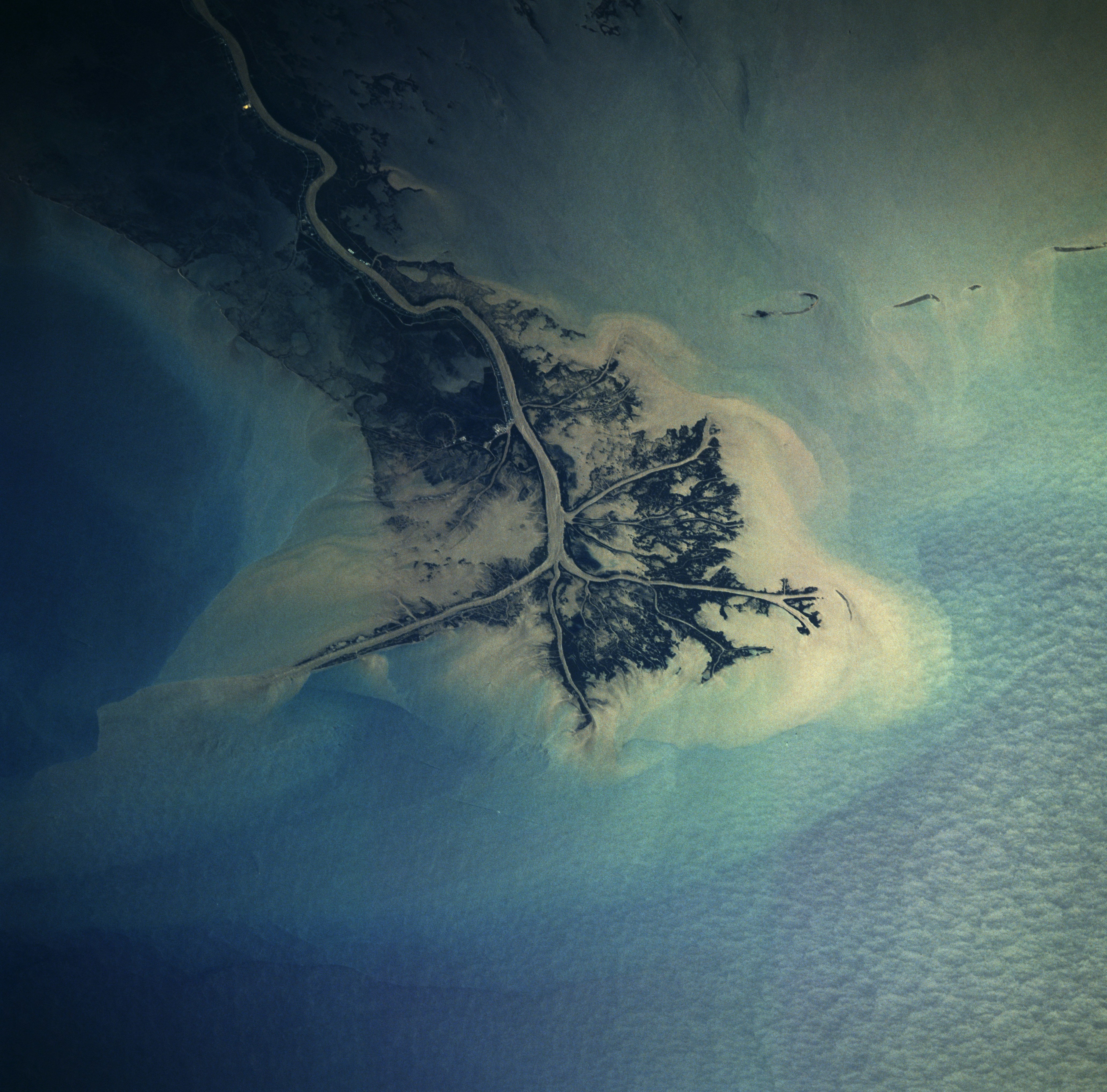
Understanding the ocean requires observations collected across large geographical areas and over extended periods. Research vessels, monitoring stations, autonomous platforms and satellites provide essential information about marine ecosystems, but maintaining comprehensive coverage remains challenging. Surveys can be costly, instruments require regular servicing, and some coastal and offshore environments receive relatively little scientific attention. As marine ecosystems respond to climate change, pollution and increasing human activity, these limitations underline the need for complementary approaches to ocean observation.
Citizen science offers an opportunity to extend the reach of existing monitoring programmes. By involving people in structured scientific activities, researchers can obtain observations from locations and time periods that might otherwise be difficult to cover. Coastal communities, recreational divers, fishers, sailors and other ocean users can contribute by documenting marine species, recording litter, photographing habitats or collecting environmental samples. When these activities follow clearly defined methods, individual observations can contribute to a broader understanding of marine conditions.
The growing number of marine citizen-science initiatives reflects increasing recognition of this potential. Their value, however, depends on more than the volume of information collected. The challenge is to ensure that observations are consistent, accessible and suitable for scientific interpretation, allowing them to complement established monitoring systems rather than remain isolated datasets.
From coastal observations to marine biodiversity
Coastal environments provide particularly practical opportunities for public participation in ocean research. Regular beach surveys, for example, can help document the abundance and composition of marine litter. Repeated observations may reveal differences between locations, identify persistent pollution hotspots and help assess changes following waste-management measures. When projects use comparable sampling procedures and recording categories, their results become more useful for identifying broader environmental patterns.
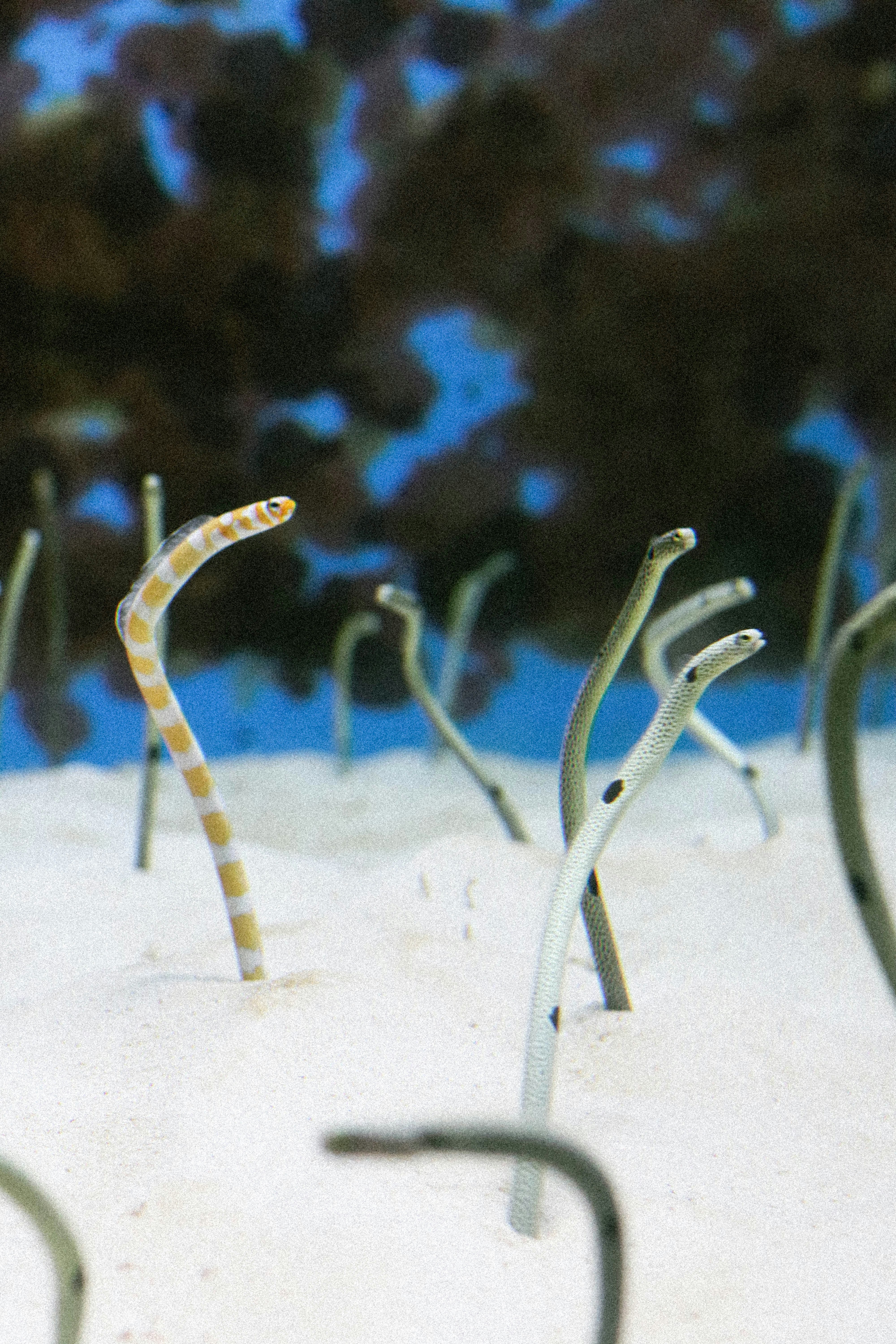
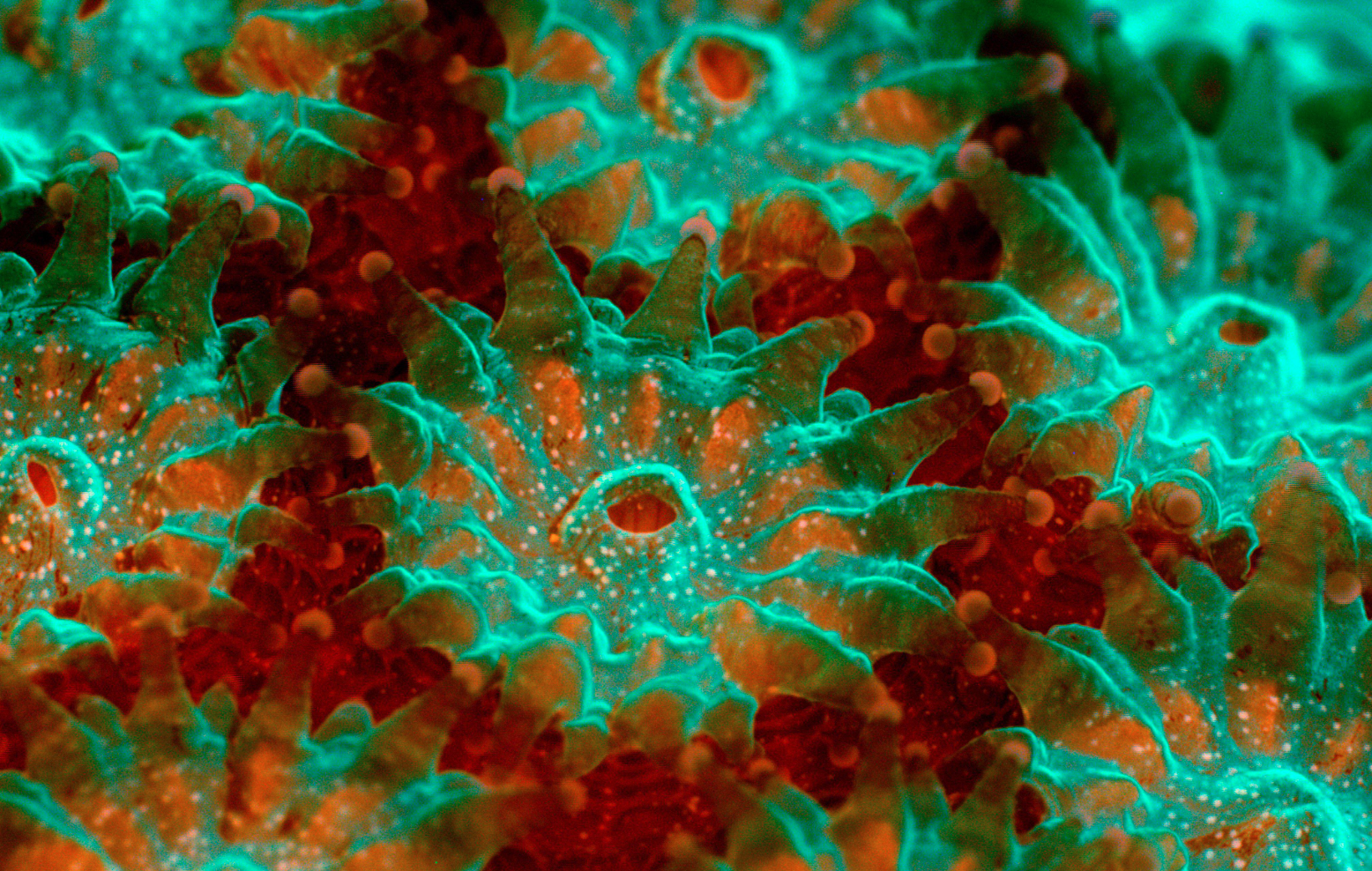
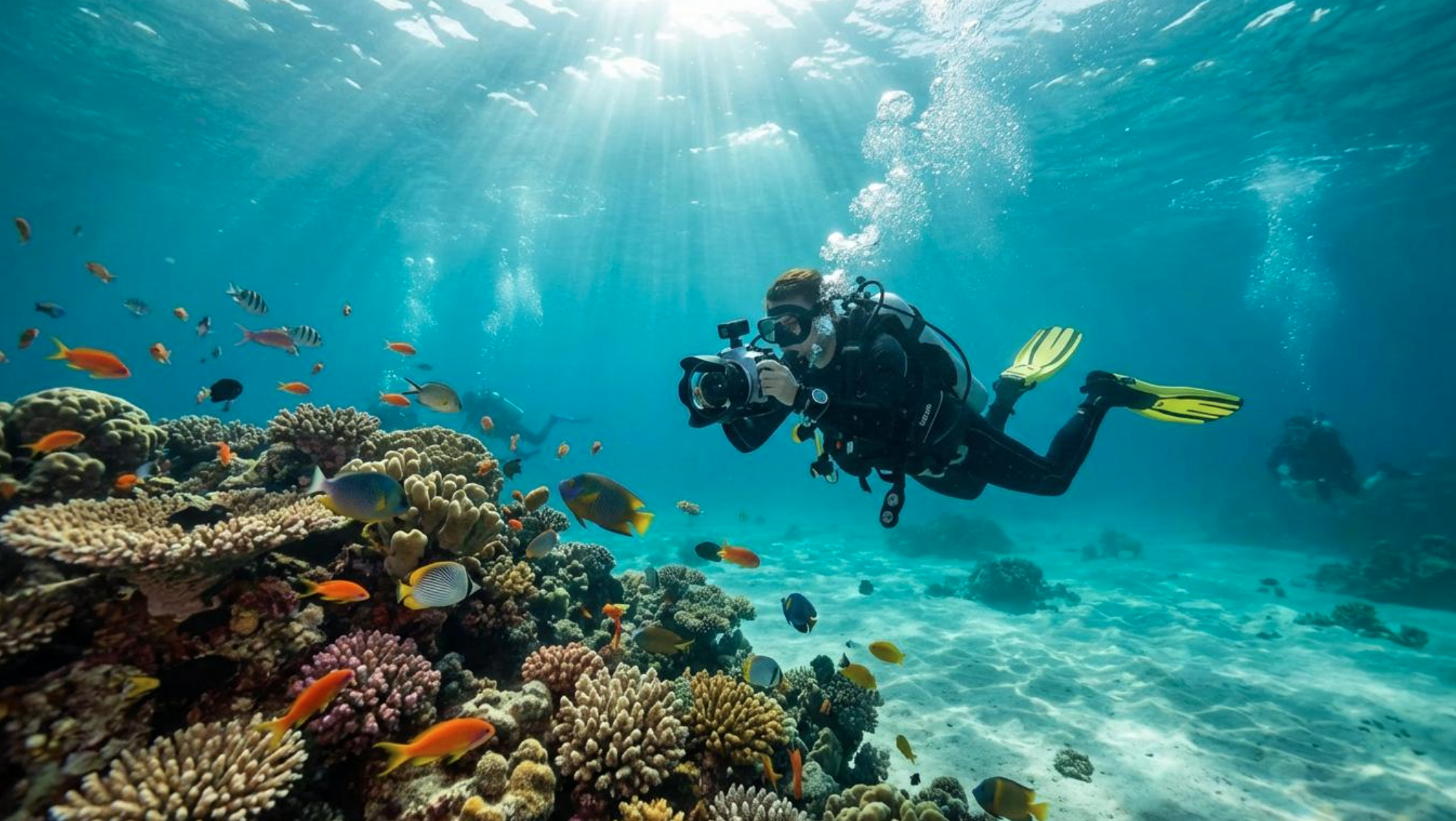
Citizen science can also support biodiversity assessment. Trained volunteers may record species sightings, document changes in coastal habitats or contribute underwater photographs for scientific analysis. Advances in image recognition and machine learning are creating additional opportunities to process large collections of photographs, making it possible to assess ecological patterns across areas that would be difficult to survey comprehensively through conventional fieldwork alone. Such approaches can help researchers identify areas requiring further investigation, although specialist verification remains important when observations are uncertain or species are difficult to distinguish.
Emerging sampling techniques are also extending the potential contribution of citizen science beyond the immediate coastline. Environmental DNA, commonly known as eDNA, allows researchers to investigate biological communities by analysing genetic material released into water by organisms. With suitable equipment, training and sample-handling procedures, volunteers can help collect samples that provide information about marine biodiversity. Sailors and other people travelling offshore may offer access to areas that are visited less frequently by research vessels, creating opportunities to supplement existing observations of open-ocean ecosystems.
Building confidence in citizen-generated data
The scientific usefulness of citizen observations depends on the reliability of the methods used to obtain them. Participants need clear guidance on sampling procedures, equipment, recording practices and the limitations of the information they collect. Researchers should also consider how differences in experience, environmental conditions and sampling effort might influence the resulting data.
Quality assurance can include expert review, automated checks, standardised recording forms and comparisons with measurements collected using established scientific methods. The appropriate approach will depend on the type of observation. Recording visible litter, identifying a marine organism from a photograph and collecting an eDNA sample each present different technical challenges and require different levels of quality control.
Data management is equally important. Observations are more useful when they include essential information about where and when they were collected, which methods were followed and what conditions applied during sampling. Consistent documentation makes it easier to compare results between projects, combine datasets and assess uncertainty. Accessible data platforms and shared standards can further improve the ability of researchers and environmental authorities to use citizen-generated information.
These requirements should be understood as part of the scientific process rather than as barriers to public participation. Well-designed projects give volunteers the support needed to contribute meaningful evidence while enabling researchers to assess its strengths and limitations. Integrating these observations with satellite measurements, research-vessel surveys and autonomous monitoring technologies can provide a more comprehensive view of marine environments.
Connecting observations with conservation decisions
The benefits of citizen science extend beyond data collection. When observations are analysed and communicated effectively, they can help inform environmental management and conservation planning. Records of marine litter may support local pollution-prevention initiatives, while repeated species observations can help identify emerging ecological changes. Information gathered by volunteers may also contribute to assessments of marine protected areas and help direct professional monitoring towards locations where additional evidence is needed.
Achieving these outcomes requires cooperation between scientific institutions, participating communities and decision-makers. Projects should establish clear objectives, explain how observations will be used and communicate their findings to contributors. This exchange helps maintain engagement and enables communities to understand how their efforts contribute to wider environmental knowledge.
Strengthening the future of ocean observation
As the demand for reliable information about marine ecosystems continues to grow, citizen science offers a practical way to broaden the evidence available to researchers and environmental managers. By integrating carefully collected community observations into established ocean-monitoring systems, it can help reveal environmental changes, strengthen conservation planning and support a more connected approach to understanding and protecting the ocean.
By providing a shared platform for researchers, citizen scientists, organisations and local communities to publish findings, showcase monitoring projects and collaborate, Ozeaon can help bridge the gap between local observations and scientific research. Its wider ecosystem, including pathways for project support and the developing Ozeaon Climate Intelligence System (OCIS), aims to help turn shared knowledge into more transparent, accountable and actionable ocean-conservation initiatives. In this way, Ozeaon can help community-generated observations reach the people, partnerships and resources needed to support healthier oceans.

Reneta Georgieva
dMRV Specialist
- OCIS
- dMRV
- AI
- Climate Intelligence
- AI CoE