Cross-Border Compliance Gaps Continue to Cost Offshore Operators Millions
Offshore operators face costly delays from fragmented compliance systems. Standardizing global requirements while localizing regional regulations can reduce risk, improve asset mobility, minimize downtime, and keep projects on schedule.
By Reneta Georgieva
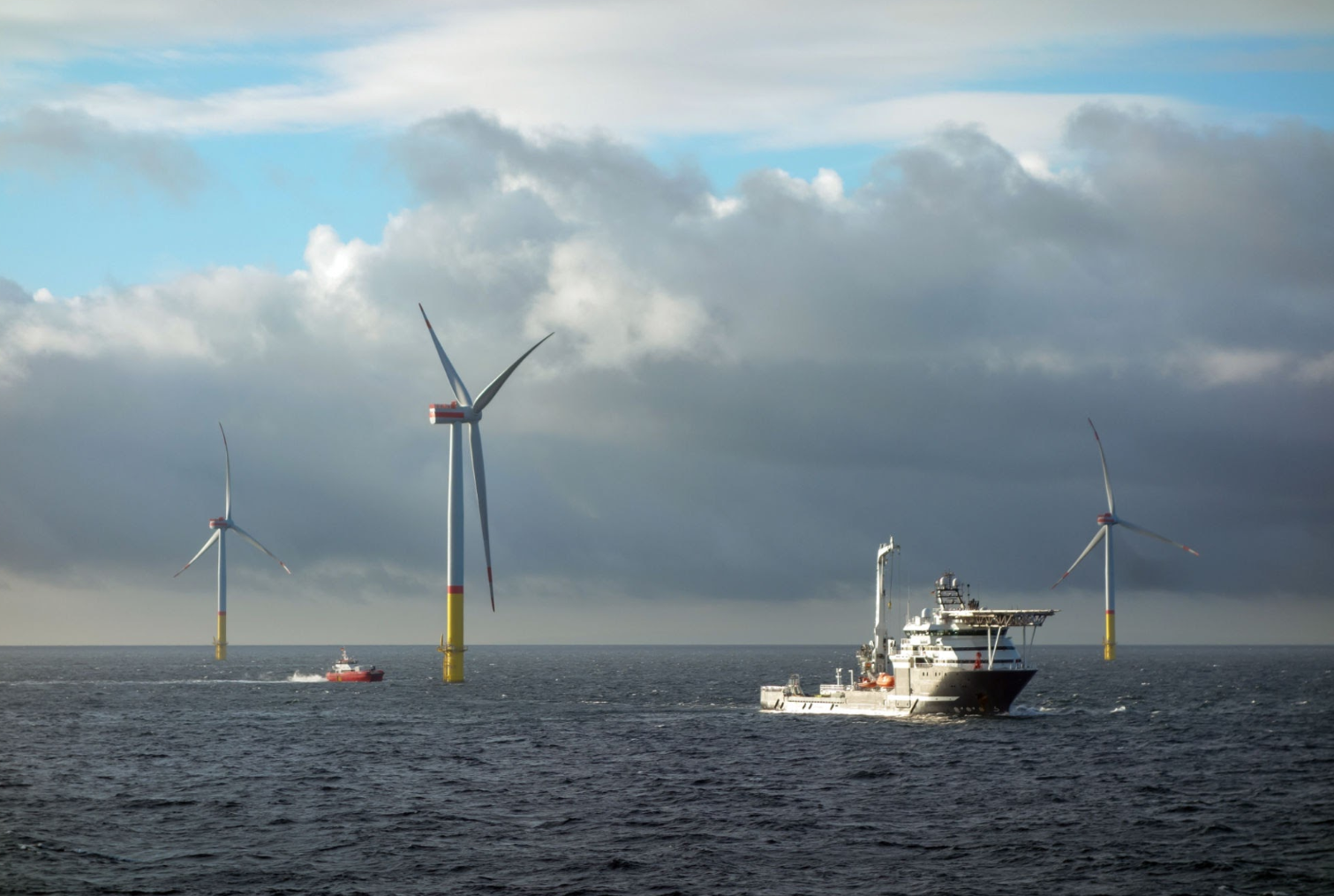
As offshore projects become increasingly global, moving vessels and equipment between countries is now a routine part of operations. But industry experts warn that compliance is struggling to keep pace, with fragmented regional processes creating costly operational risks.
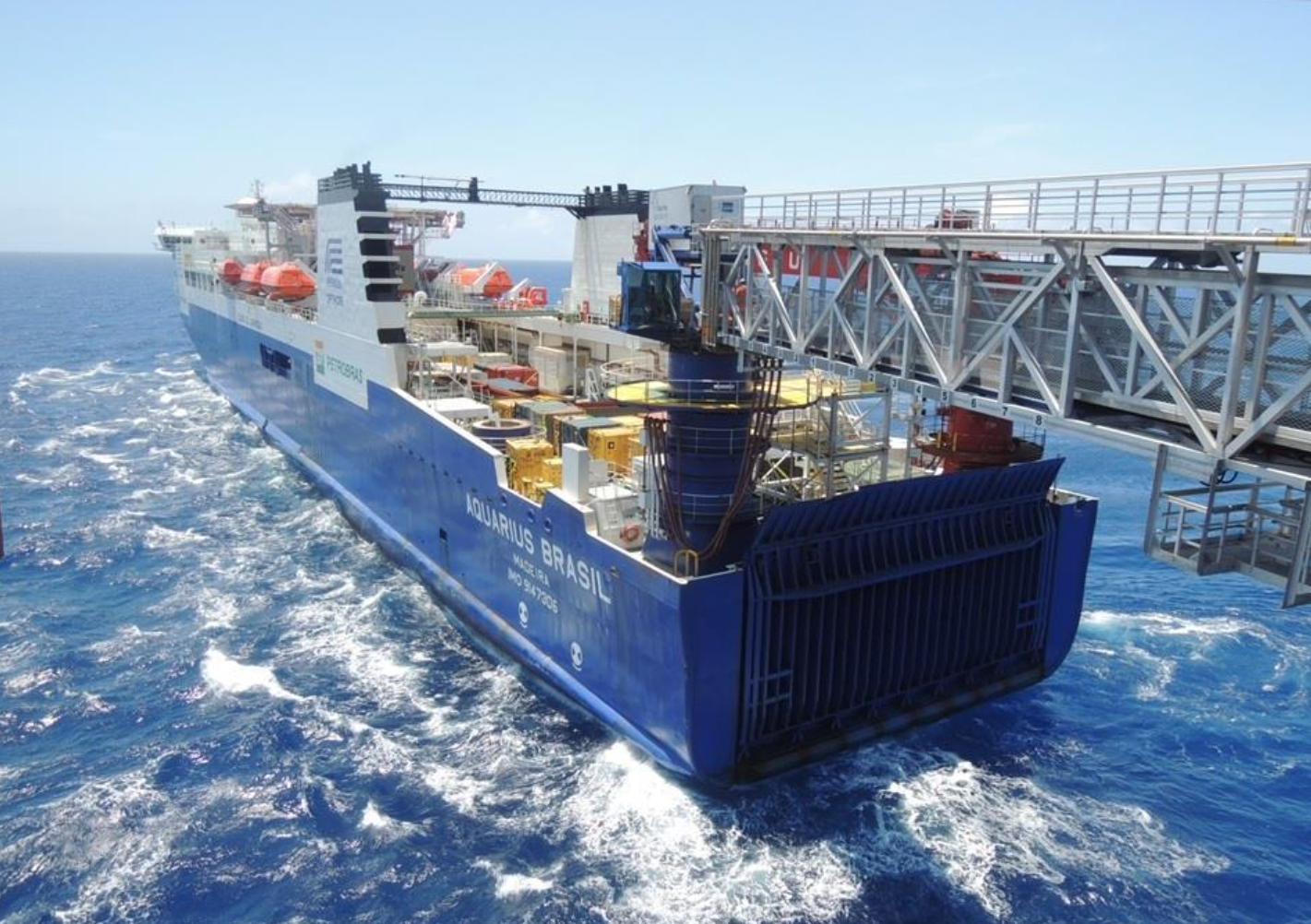
A recent case highlights the challenge. An international operator transferred a support vessel from the US Gulf of Mexico to Brazil's Campos Basin to support a subsea installation campaign. While the vessel met all US maintenance and safety requirements, it failed to satisfy several local environmental regulations enforced by Brazil's IBAMA, including oil spill response planning and bilge-water filtration standards.
The result was immediate. The vessel was denied operational clearance on arrival and remained idle for 18 days while upgrades were completed and local approvals were secured. At a daily operating cost of $220,000, the delay generated nearly $4 million in direct losses, excluding the wider impact on project schedules and production.
The incident reflects a broader issue facing offshore operators. As assets move more frequently across international waters, many companies continue to manage compliance through separate regional teams and disconnected systems. This increases the risk of overlooked local requirements, duplicated administrative work, and limited visibility for corporate leadership.
Industry leaders are increasingly moving away from this approach in favor of a global compliance model built on a simple principle: standardize the 80%, localize the 20%.
The idea is straightforward. Most offshore safety, engineering, and environmental regulations share the same core objectives protecting people, maintaining asset integrity, and preventing environmental incidents. By creating one global compliance framework based on internationally recognized standards, operators can meet the majority of regulatory expectations across multiple regions.
Country-specific requirements can then be added as targeted local modules, rather than creating entirely separate compliance systems for every market.
Many organizations are adopting a three-step strategy:
Build a global compliance foundation using standards such as ISO 45001 and ISO 14001, supported by standardized crew competency records and equipment testing.
Add regional requirements, including SEMS III audits in the US, local content regulations in Brazil, or First Nations engagement requirements in Australia.
Replace disconnected spreadsheets with a centralized compliance platform that provides real-time visibility while allowing regional teams to manage local obligations.
As offshore operations continue to expand across borders, companies that simplify and centralize compliance are likely to gain a competitive advantage. Beyond reducing regulatory risk, they can improve asset mobility, minimize costly delays, and keep critical projects on schedule.

Reneta Georgieva
dMRV Specialist
- OCIS
- dMRV
- AI
- Climate Intelligence
- AI CoE