Deep-Sea Mining: An Uncertain Future for the Ocean Floor
Deep-sea mining remains unresolved as governments weigh demand for critical minerals against environmental concerns, with Pacific nations, scientists and financial institutions shaping the future of ocean-floor mining.
By Reneta Georgieva
Governments leave Jamaica without a final agreement on deep-sea mining, as Pacific nations, scientists and financial institutions continue to shape the debate over the future of the ocean floor.
The future of deep-sea mining remains unresolved following several weeks of negotiations at the International Seabed Authority (ISA) in Kingston, Jamaica, in July 2026.
Governments continued work on the rules that would govern commercial mining of the international seabed, including environmental protection, monitoring, compliance and financial arrangements. However, the long-awaited Mining Code remains unfinished, and no international moratorium or precautionary pause was agreed. Exploration contracts, meanwhile, continue to be extended as negotiations progress.
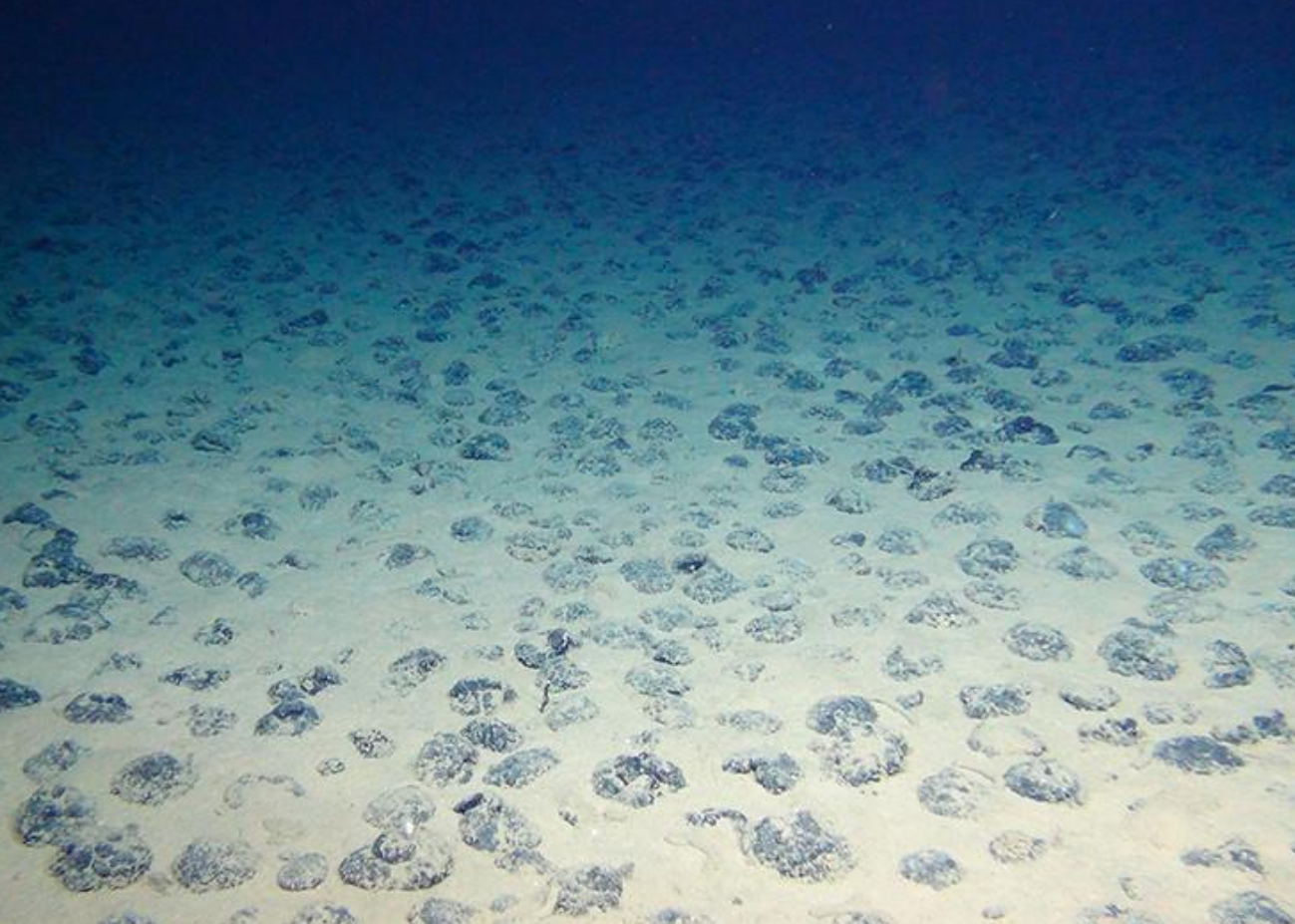
The discussions come at a time of growing interest in the mineral resources of the deep ocean. Polymetallic nodules found on the seafloor contain manganese, nickel, copper and cobalt metals that could play a role in technologies supporting the global energy transition.
For some governments and companies, deep-sea mining could offer another source of these increasingly important minerals. For others, the priority is ensuring that the environmental consequences are better understood before commercial activity begins.
That balance is particularly important for Pacific island nations.
Palau and a number of other Pacific states have called for a moratorium or precautionary approach to deep-sea mining, emphasising the importance of protecting marine ecosystems that are closely connected to their economies, cultures and communities. At the same time, positions within the Pacific vary. Nauru, for example, sponsors an exploration contractor, reflecting the potential economic opportunities that seabed resources may offer to some island states.
The discussion is also extending into the financial sector.
Banks and other financial institutions are increasingly assessing the environmental, regulatory and reputational risks associated with deep-sea mining. The European Investment Bank has indicated that large-scale deep-sea mining does not currently align with its sustainability framework. Such positions could become increasingly important as companies consider the substantial investment required to develop vessels, processing facilities and infrastructure.
For scientists, one of the central questions remains how much is still unknown about the deep ocean. Seafloor ecosystems can develop slowly, and the potential effects of removing mineral deposits and disturbing sediments are not yet fully understood. This has strengthened calls for further research and careful environmental safeguards.
The Jamaica meetings did not resolve these questions, but they did underline the complexity of the decision ahead.
The international community is now weighing two important priorities: the growing demand for critical minerals and the responsibility to protect one of the planet's least explored environments.
For now, the Mining Code remains under negotiation, exploration continues and the future of commercial deep-sea mining is still being shaped.
The deep ocean may hold resources of growing interest to a changing world. The challenge is determining how and whether they can be approached while keeping the health of the ocean at the heart of the conversation.

Reneta Georgieva
dMRV Specialist
- OCIS
- dMRV
- AI
- Climate Intelligence
- AI CoE