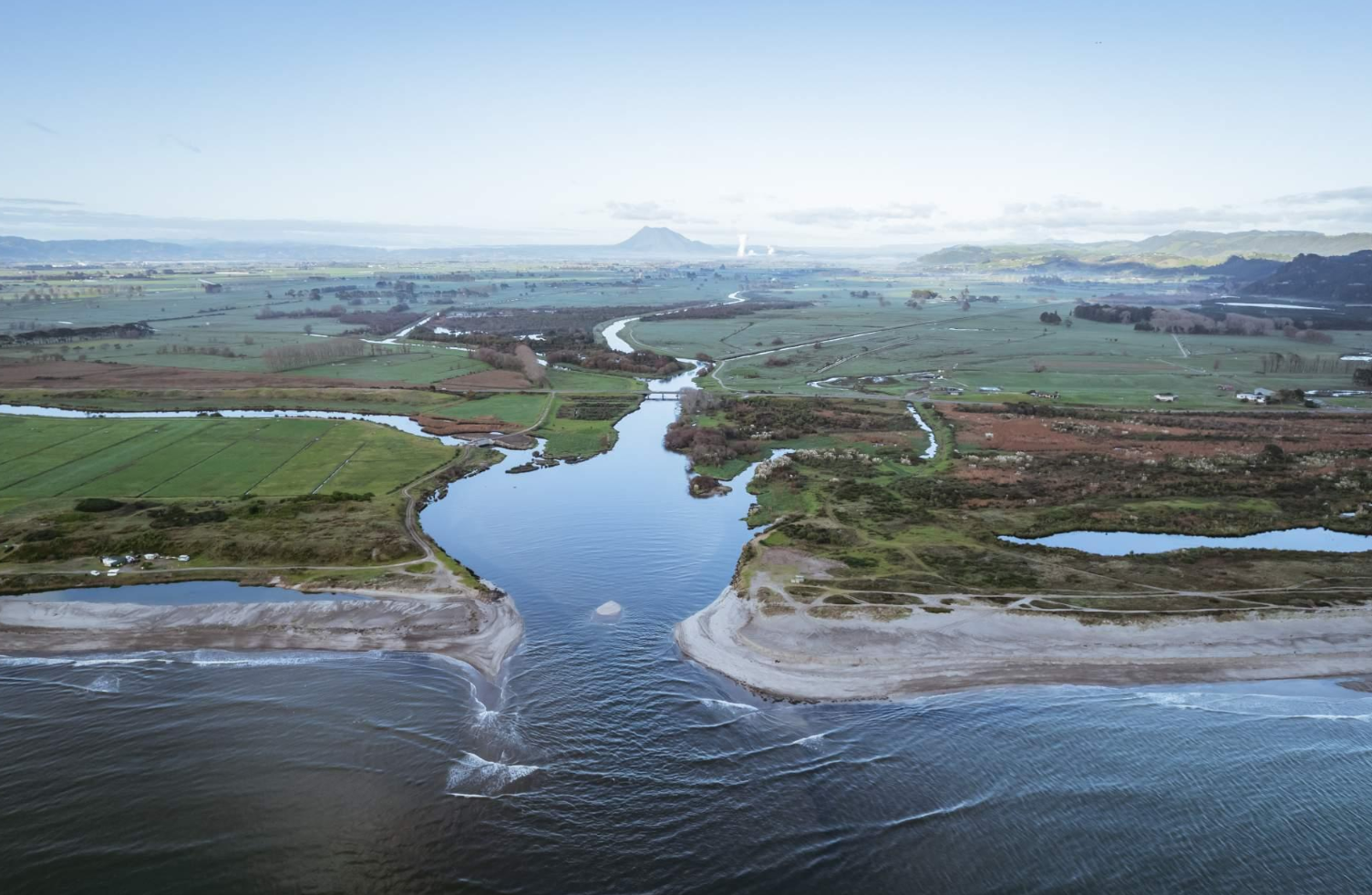
From Soil to Sea: The Hidden Cost of Agricultural Nitrogen on Our Oceans
Ocean conservation begins on land. Regenerative agriculture, precision farming, and innovative digital tools can reduce nitrogen pollution, restore rivers, revive coastal ecosystems, and build a resilient Blue Economy.
By Reneta Georgieva
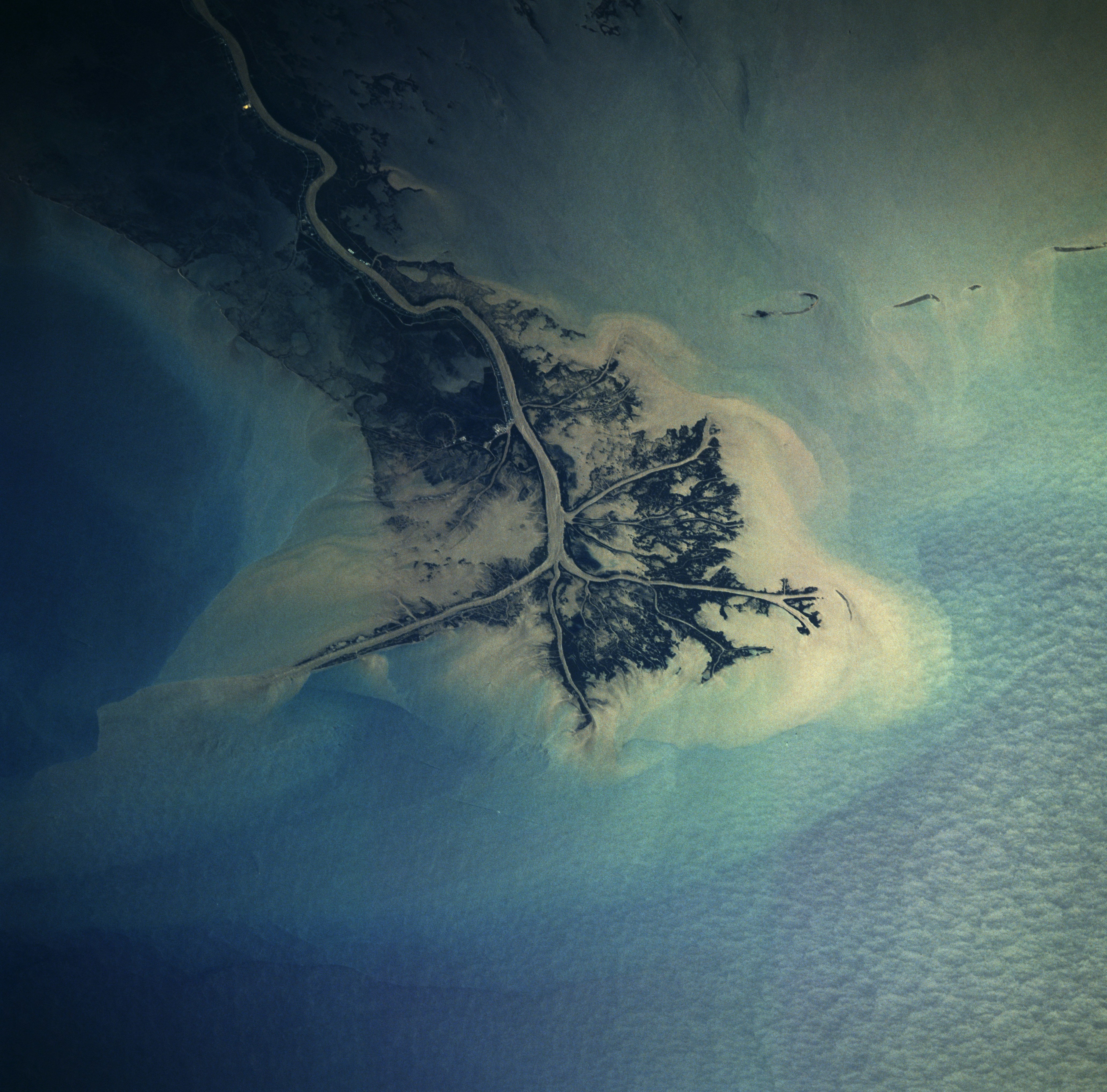
Ocean conservation has traditionally focused on what happens beyond the coastline: protecting marine habitats, reducing plastic pollution, and promoting sustainable fishing. However, the condition of our oceans is closely connected to the condition of our land and rivers. To protect marine ecosystems effectively, we need to look at the entire journey of water, from agricultural fields through rivers and into the sea.
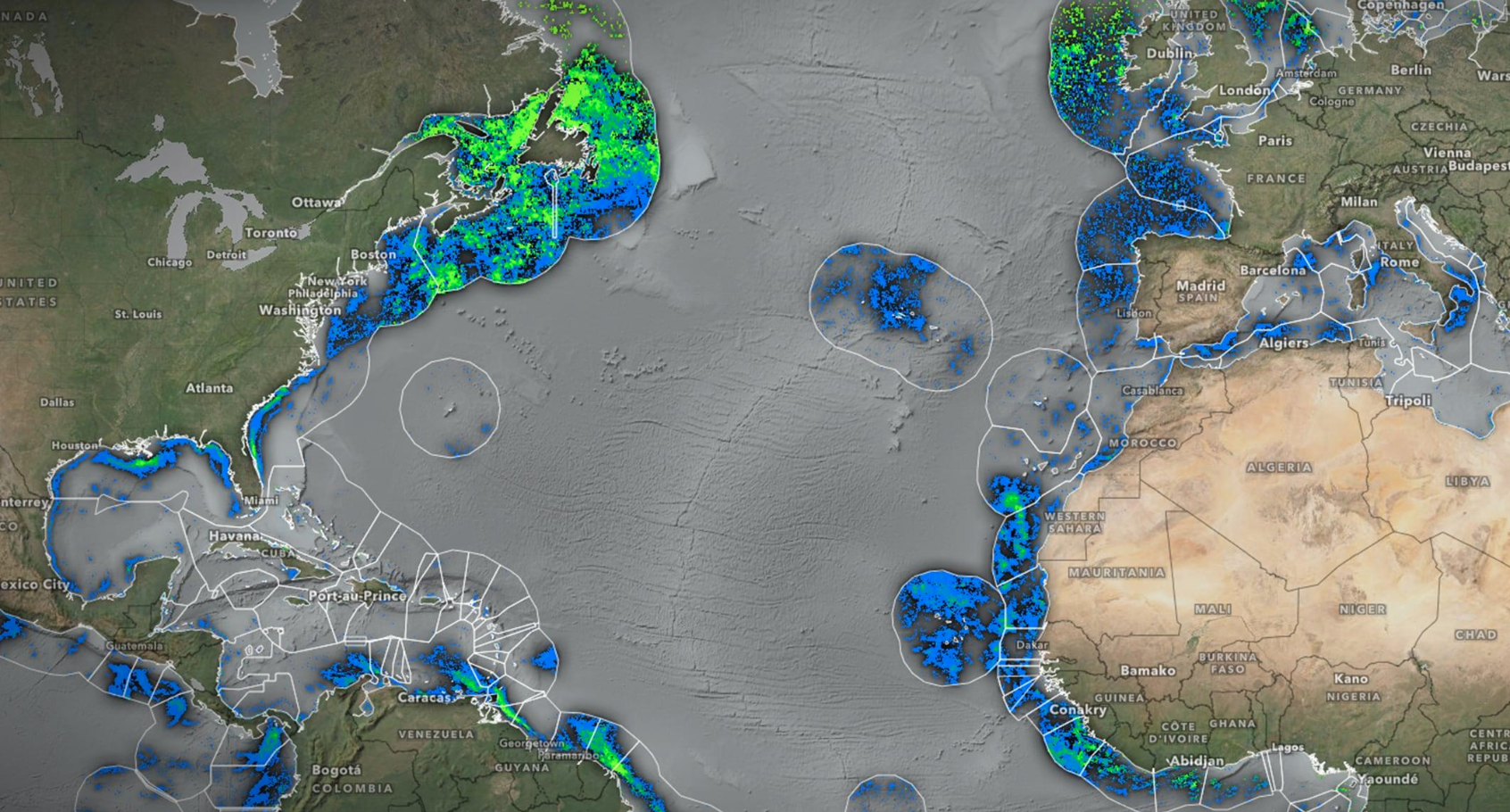
One of the important challenges in this connected system is nitrogen pollution from agriculture. Synthetic fertilizers have played an important role in supporting global food production, but crops absorb only a portion of the nutrients applied to fields. The remaining nutrients can move through soil and groundwater or enter rivers, particularly during periods of heavy rainfall. These nutrients can eventually reach coastal waters and enclosed seas such as the Baltic, Mediterranean, and Black Sea.
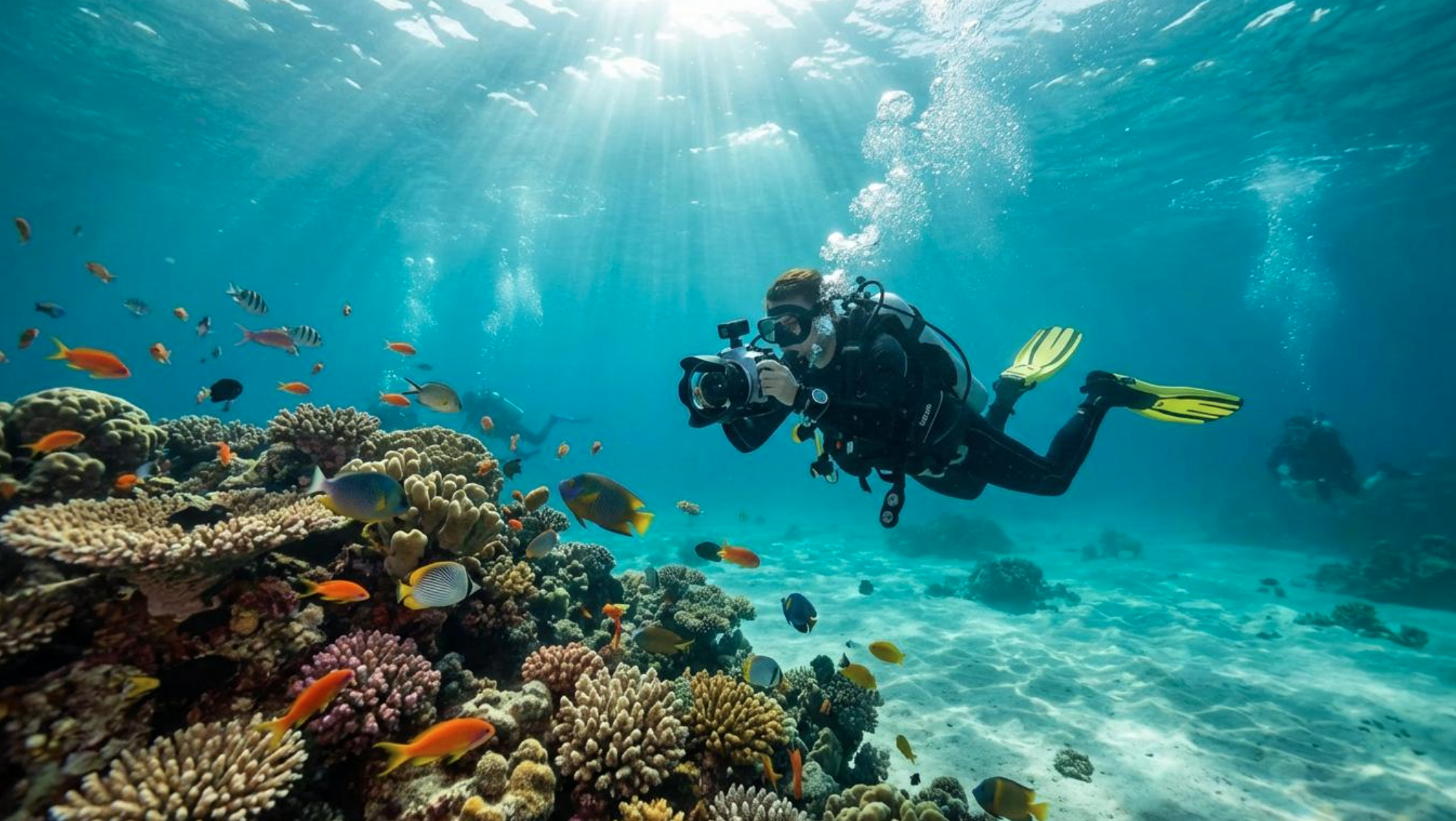
When too many nutrients enter marine environments, they can contribute to eutrophication. Higher nutrient levels can encourage increased algae growth, which may reduce sunlight available to seagrass and other underwater plants. As organic material breaks down, oxygen levels in the surrounding water can also decrease. These changes can affect marine habitats, biodiversity, fisheries, tourism, and the communities that depend on healthy coastal ecosystems.
The issue also has an economic dimension. Nitrogen pollution can increase the cost of maintaining water quality and create additional pressure on water management systems. Coastal communities and businesses can also be affected when changes in water quality influence tourism, fisheries, and other activities within the Blue Economy. Addressing nutrient losses is therefore both an environmental and an economic priority.
At Ozeaon, we believe that many solutions to ocean challenges begin on land. Regenerative agriculture offers practical ways to improve soil health and retain nutrients within agricultural systems. Practices such as cover crops, reduced soil disturbance, improved organic matter, and more precise fertilizer application can help farmers use resources more efficiently while reducing nutrient movement into waterways.
Technology can further support this transition. Data, satellite imagery, and precision agriculture tools can help farmers understand soil and crop conditions and make better decisions about when, where, and how much fertilizer to apply. Combining these tools with nature-based solutions, such as vegetation along waterways, can create stronger connections between productive farms, healthy rivers, and resilient coastal ecosystems.
To help connect these efforts, Ozeaon has developed a Regenerative Knowledge and Impact Ecosystem, endorsed as a UN Ocean Decade project. The platform brings together educational resources, open science, innovation, and collaboration between farmers, researchers, organizations, and funders. Users can explore projects, discover funding opportunities, and support initiatives focused on regenerative agriculture and nature-based solutions.
The Ozeaon Climate Intelligence System (OCIS) provides digital monitoring, reporting, and verification capabilities designed to help measure environmental progress. By connecting reliable data with funding and support mechanisms, this infrastructure can help make ecosystem improvements more visible, measurable, and valuable.
Every river eventually reaches the sea. If we want healthier oceans, we must also consider the land and waterways that connect to them. By supporting regenerative agriculture, improving nutrient management, and using technology to measure progress, we can strengthen soil health, improve water quality, and contribute to a more sustainable Blue Economy.
The health of the ocean begins on land. It is time to treat these ecosystems as one connected system.

Reneta Georgieva
dMRV Specialist
- OCIS
- dMRV
- AI
- Climate Intelligence
- AI CoE